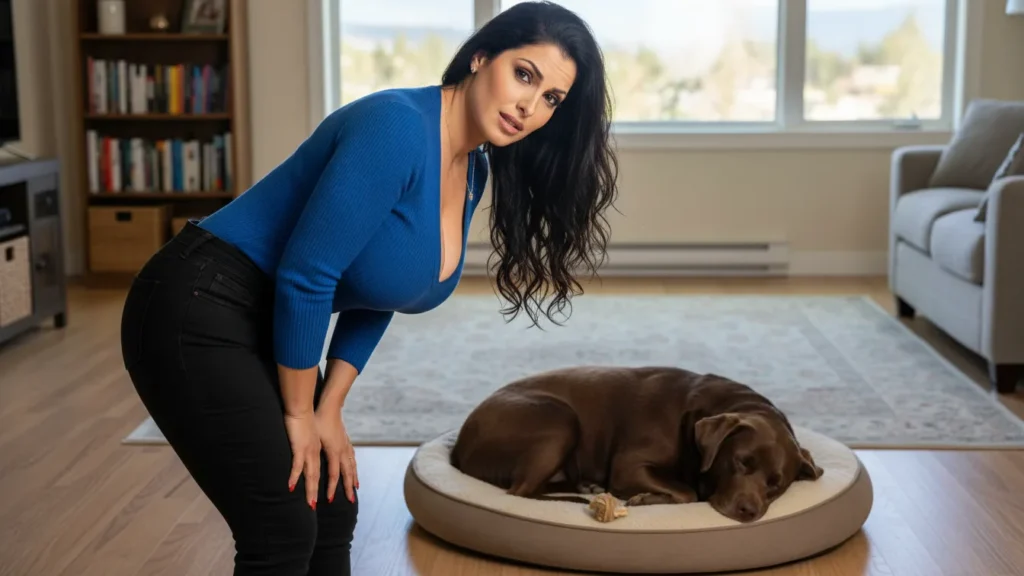
A Quiet Change You Almost Miss
One day, everything feels normal.
Your dog eats, goes for a walk, curls up nearby.
But over a few days, something shifts.
They nap longer.
They skip playtime.
They stay asleep when you move around.
It’s subtle.
And because dogs love sleeping, it’s easy to shrug off.
But when sleep suddenly increases, it often has a reason — sometimes simple, sometimes meaningful. Understanding why helps you respond calmly, not anxiously.
How Much Do Dogs Normally Sleep?
Before worrying, it helps to know what’s normal.
Most adult dogs sleep 12–14 hours a day.
Puppies can sleep 18–20 hours.
Senior dogs often rest even more.
Dogs don’t sleep like humans. Their rest comes in short cycles with frequent light sleep, which is why they wake easily.
So the key question isn’t “Does my dog sleep a lot?”
It’s “Is this a sudden change from their usual pattern?”
The Most Common (and Completely Normal) Reasons Dogs Sleep More
Many causes are harmless and temporary.
1. Mental or Physical Fatigue
A change in routine can exhaust dogs more than we realize.
Examples:
- New walks or longer routes
- Visitors at home
- Training sessions
- Dog parks or social interaction
Mental stimulation tires dogs just as much as exercise — sometimes more.
2. Weather and Seasonal Shifts
Dogs respond strongly to temperature and daylight.
- Hot weather reduces activity
- Rainy days limit movement
- Shorter daylight affects energy cycles
Just like humans feel sluggish in certain seasons, dogs naturally rest more when conditions change.
3. Age-Related Energy Changes
As dogs mature, energy naturally dips.
Puppies: Sleep to grow
Adults: Balance activity and rest
Seniors: Sleep to recover
Senior dogs often nap longer because:
- Muscles fatigue faster
- Joints need more recovery
- Sensory input feels overwhelming
This is normal aging — not a problem by itself.
When Extra Sleep Is the Body’s Way of Recovering
Sleep is how dogs heal.
Dogs may sleep more after:
- Minor injuries
- Muscle strain
- Vaccinations
- Digestive upset
- Emotional stress
Rest allows the immune system to work efficiently. Increased sleep for a few days can simply mean the body is doing quiet repair work.
Emotional and Environmental Factors Most Owners Overlook
Dogs are deeply sensitive to emotional environments.
Subtle stressors include:
- Owner schedule changes
- Household tension
- New pets or babies
- Loud noises or construction
- Reduced attention or play
Dogs don’t express stress with words.
They often express it by withdrawing and sleeping more.
Normal vs. Concerning: How to Tell the Difference
Here’s where clarity matters.
Increased Sleep Is Usually Normal When:
- Appetite is unchanged
- Bathroom habits are normal
- Interest returns during favorite activities
- Energy improves after rest
Extra Sleep May Need Attention If You Notice:
- Loss of appetite
- Weight changes
- Avoidance of movement
- Stiffness or limping
- Confusion or disorientation
- Persistent lethargy lasting weeks
It’s the pattern, not the nap count, that matters.
Comparison Table: Normal Sleep vs. Potential Red Flags
| Sleep Change | Likely Normal | May Need Attention |
|---|---|---|
| Sleeping more after busy day | ✅ | ❌ |
| Sleeping more in hot weather | ✅ | ❌ |
| Sleeping more with aging | ✅ | ❌ |
| Sleeping + eating less | ❌ | ⚠️ |
| Sleeping + reluctance to move | ❌ | ⚠️ |
| Sleeping + behavioral withdrawal | ❌ | ⚠️ |
Hidden Reasons Dogs Sleep More That Few People Talk About
Some causes aren’t obvious.
Boredom Disguised as Sleep
Dogs lacking stimulation often sleep simply because there’s nothing else to do.
Signs include:
- Sleeping but waking easily
- Seeking attention when engaged
- Increased alertness during interaction
Sleep here isn’t exhaustion — it’s under-stimulation.
Emotional Aging
Older dogs may sleep more not because they’re tired, but because they feel less confident navigating the world.
Reduced vision, hearing, or balance makes rest feel safer.
Mistakes Dog Owners Commonly Make
Avoid these well-meaning errors:
- Forcing activity: Can worsen fatigue or discomfort
- Ignoring gradual changes: Slow shifts are easy to miss
- Assuming “lazy” behavior: Dogs don’t become lazy without reason
- Comparing to other dogs: Every dog has a unique baseline
Observation beats comparison.
What You Can Do Right Now (Practical Steps)
Simple actions can bring clarity.
Step 1: Track Patterns
For 7 days, note:
- Sleep duration
- Appetite
- Activity interest
- Bathroom habits
Patterns reveal more than single moments.
Step 2: Gently Increase Mental Engagement
Try:
- Puzzle feeders
- Short training games
- Sniff walks instead of longer walks
Mental engagement often restores natural energy rhythms.
Step 3: Respect Rest Without Over-Isolating
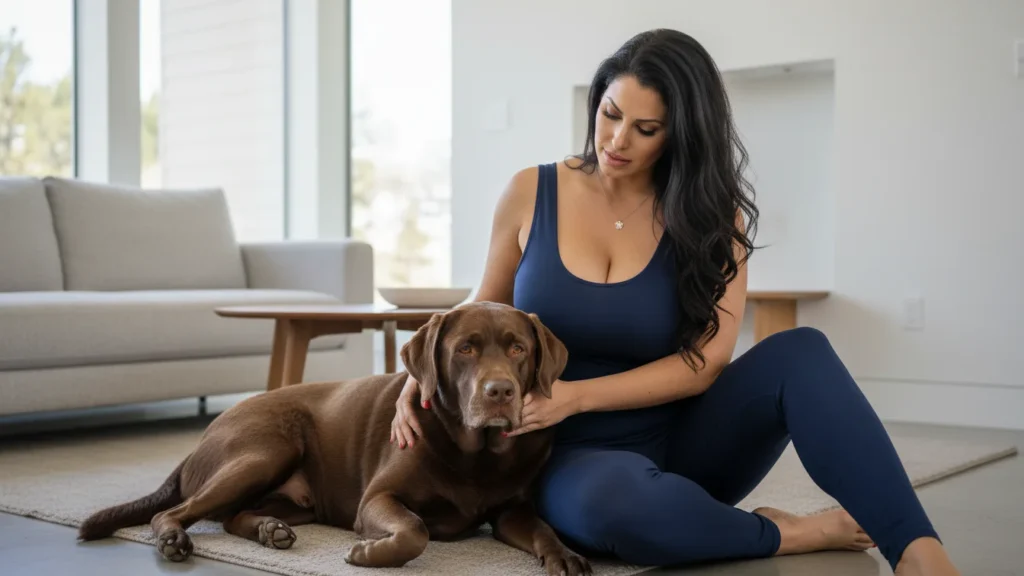
Let your dog rest — but stay connected.
Sit nearby.
Talk softly.
Offer reassurance.
Presence matters.
Why This Matters Today
Dogs live shorter lives than we do.
Small changes today can prevent discomfort tomorrow.
Understanding sleep shifts helps:
- Catch problems early
- Reduce unnecessary worry
- Improve quality of life
- Strengthen your bond
Sleep is communication. Learning to listen changes everything.
Frequently Asked Questions
1. Is it normal for dogs to sleep more as they age?
Yes. Aging naturally increases rest needs due to slower recovery and reduced stamina.
2. Should I wake my dog if they’re sleeping too much?
No. Let sleep happen naturally unless it interferes with eating, hydration, or movement.
3. Can diet changes affect sleep?
Yes. Poor digestion or sudden diet changes can temporarily increase fatigue.
4. Do indoor dogs sleep more than outdoor dogs?
Often, yes. Indoor environments are quieter and less stimulating.
5. How long is “too long” for increased sleep?
If extra sleep lasts more than 2–3 weeks with other changes, it’s worth closer attention.
Key Takeaways
- Dogs naturally sleep a lot — sudden changes matter more than totals
- Extra sleep often signals recovery, aging, or environmental shifts
- Patterns reveal more than isolated days
- Calm observation prevents overreaction
- Sleep is one of the body’s most honest signals
A Calm Final Thought
When dogs sleep more, they’re not being distant or lazy.
They’re responding — quietly — to something inside or around them.
Your role isn’t to panic.
It’s to notice, understand, and support.
That awareness alone makes you a better guardian.
Disclaimer: This article is for general educational purposes and does not replace professional veterinary advice. If you’re unsure about persistent changes, consult a qualified veterinarian.

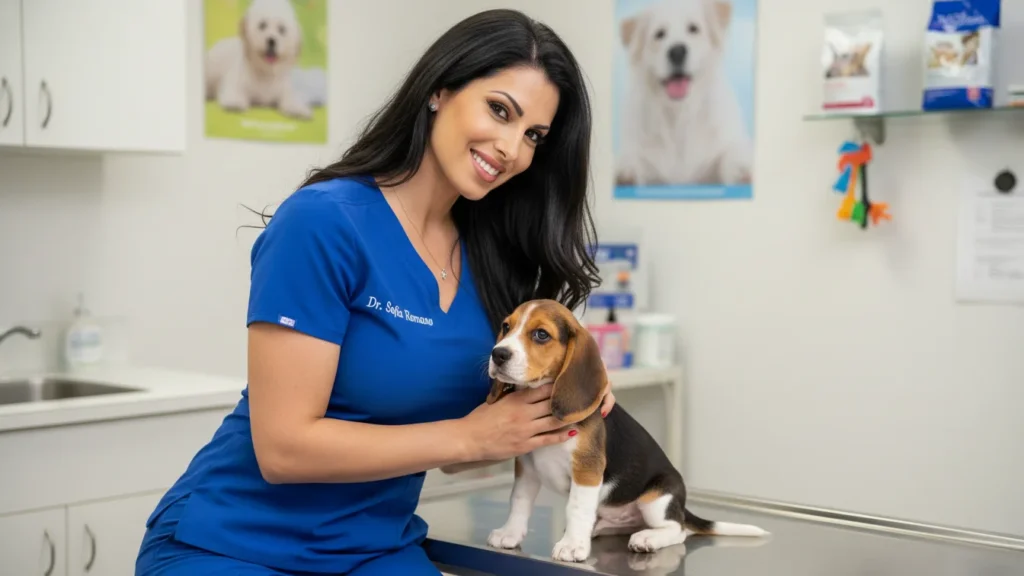
Dr. Sofia Romano, DVM, is an experienced veterinarian specializing in small-animal medicine and preventive care. She has treated thousands of cases using evidence-based diagnostics and modern clinical practices. Dr. Romano is dedicated to providing science-backed pet-health guidance that helps owners make informed decisions and improve their pets’ quality of life.

Pingback: Why Dogs Stretch Repeatedly — What Their Body Language Is Really Telling You
Pingback: Why Dogs Change Habits After Vaccinations — What Their Behavior Is Quietly Telling You