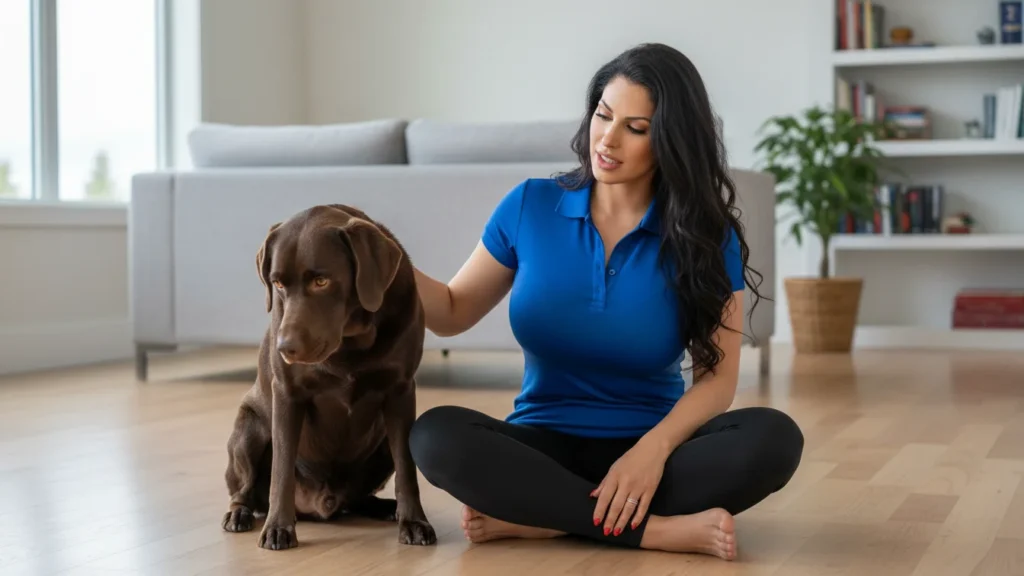
The Moment That Feels… Personal
You call your dog’s name.
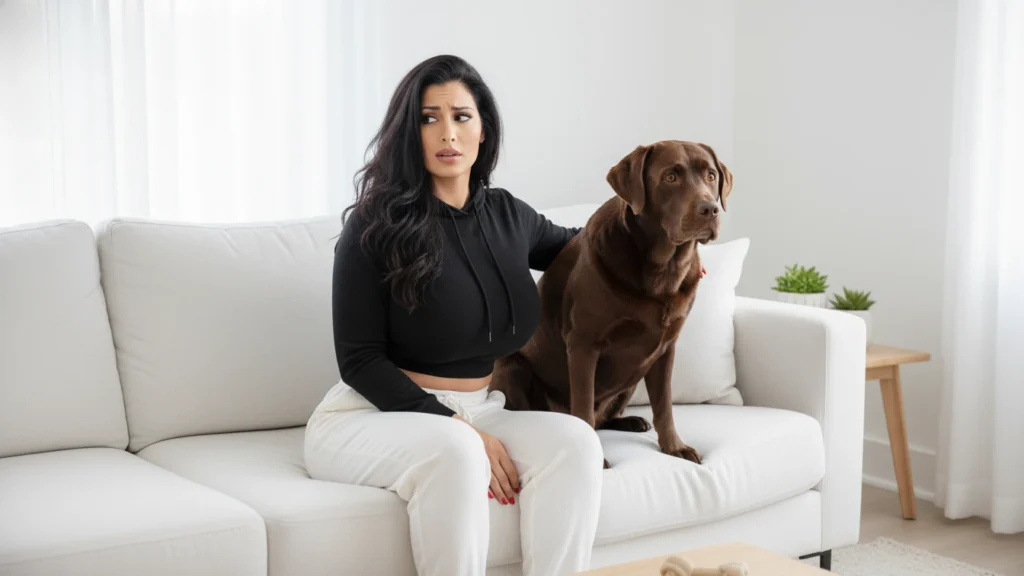
They come closer—but won’t look at you.
No wagging stare.
No familiar eye contact.
Just a turned head.
A glance away.
For many owners, this moment feels unsettling.
Did I do something wrong?
Is my dog upset with me?
Are they sick?
Here’s the truth most people don’t realize:
👉 Avoiding eye contact is one of the clearest communication signals dogs have.
And when it appears suddenly, it usually means something inside your dog has changed.
First, Let’s Reset a Big Human Assumption
Humans see eye contact as:
- Trust
- Love
- Attention
- Respect
Dogs do not see eye contact the same way.
In canine communication:
- Prolonged eye contact can mean pressure
- Staring can signal conflict
- Looking away often means peace
According to behavior research shared by the American Kennel Club, eye avoidance is a calming signal, not a rejection.
So when a dog avoids eye contact, they’re often saying:
“I’m uncomfortable. I’m trying to keep things calm.”
Why Sudden Eye Contact Avoidance Matters
Dogs rarely change behavior without a reason.
A sudden shift usually points to:
- Emotional stress
- Fear or uncertainty
- Physical discomfort
- A change in your behavior or environment
Ignoring this signal can unintentionally:
- Increase anxiety
- Damage trust
- Escalate stress-related behaviors
Understanding the cause is what protects your bond.
The Most Common Reasons Dogs Avoid Eye Contact Suddenly
1. Stress or Anxiety (The #1 Cause)
Dogs under stress often avoid direct eye contact.
Triggers include:
- Loud arguments
- Guests in the home
- New routines
- Schedule changes
- Environmental noise
Looking away helps dogs self-soothe.
Veterinary behaviorists supported by the World Small Animal Veterinary Association describe eye avoidance as an early stress indicator—often appearing before more obvious signs like trembling or barking.
2. Fear or Loss of Confidence
If your dog recently experienced:
- Scolding
- Punishment
- A loud correction
- An unexpected scare
They may avoid eye contact to prevent confrontation.
To a dog, avoiding your eyes can mean:
“Please don’t be upset with me.”
This isn’t guilt—it’s conflict avoidance.
3. Pain or Physical Discomfort
Dogs in pain often withdraw subtly.
Eye contact can feel:
- Overstimulating
- Vulnerable
- Uncomfortable
Common pain-related triggers:
- Dental pain
- Ear infections
- Joint stiffness
- Head or neck discomfort
Dogs hide pain instinctively. Eye avoidance can be one of the first clues.
4. Overstimulation or Emotional Overload
Too much excitement can be stressful.
Examples:
- Over-enthusiastic greetings
- Intense staring during play
- Constant verbal engagement
Some dogs disengage visually to regulate emotions—especially sensitive or older dogs.
5. Learned Behavior from Human Reactions
If eye contact has repeatedly been followed by:
- Commands
- Corrections
- Pressure
- Forced interaction
Your dog may learn that eye contact leads to stress.
Avoidance becomes a coping strategy.
Dog Eye Contact vs Human Eye Contact (Key Difference)
| Situation | Human Meaning | Dog Meaning |
|---|---|---|
| Direct staring | Attention | Threat or pressure |
| Soft glance | Neutral | Neutral |
| Looking away | Disinterest | Calm, peace |
| Whale eye (side eye) | Confusion | Anxiety |
| Avoiding gaze | Rudeness | De-escalation |
👉 Dogs communicate to avoid conflict, not create it.
Why This Matters More Than You Think
Eye contact avoidance is often:
- The first stress signal
- Easier to miss than barking or hiding
- A chance to intervene early
If ignored, stress can progress to:
- Reactivity
- Withdrawal
- Aggression
- Digestive issues
- Chronic anxiety
The Centers for Disease Control and Prevention highlights how chronic stress affects overall health across species—including behavior and immunity.
What You Should Do (And What Not to Do)
✅ What Helps Immediately
- Soften your posture
- Look slightly away
- Use calm, low tones
- Give space
- Let your dog initiate contact
❌ What Makes It Worse
- Forcing eye contact
- Staring back
- Leaning over your dog
- Reaching suddenly
- Punishing avoidance
Respecting the signal builds trust.
Hidden Tip Most Owners Miss
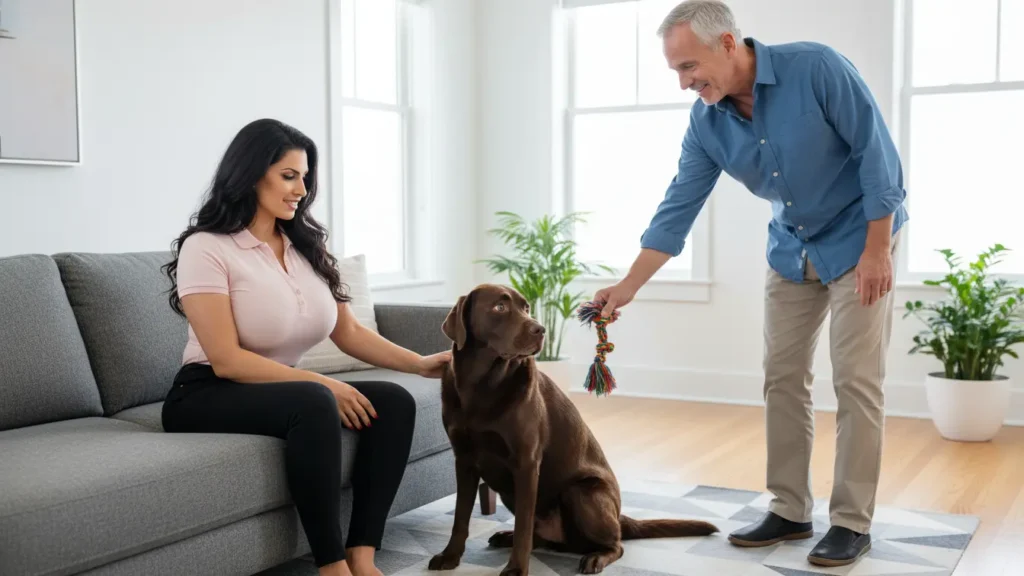
Try parallel interaction.
Instead of facing your dog directly:
- Sit beside them
- Walk together
- Engage without staring
Dogs often reestablish eye contact naturally when pressure is removed.
Real-Life Example
A normally affectionate Border Collie stopped making eye contact after a house move.
No aggression.
No illness.
Just avoidance.
The cause?
- Environmental stress
- New sounds
- Disrupted routine
With:
- Predictable schedules
- Reduced pressure
- Calm interactions
Eye contact returned naturally within weeks.
No training required.
When You Should Be Concerned
Seek professional advice if eye avoidance is paired with:
- Lethargy
- Appetite loss
- Aggression
- Whining
- Sudden fearfulness
- Physical symptoms
Behavior + health changes together deserve attention.
Common Mistakes Owners Make
- ❌ Taking it personally
- ❌ Forcing affection
- ❌ Correcting the behavior
- ❌ Ignoring early signals
- ❌ Assuming stubbornness
Dogs don’t communicate with words—but they are speaking.
FAQ: Dogs Avoiding Eye Contact
1. Is avoiding eye contact a sign my dog doesn’t trust me?
No. It often means they trust you enough to de-escalate.
2. Can pain cause eye avoidance?
Yes. Pain is a common hidden cause.
3. Should I train my dog to maintain eye contact?
Only gently, positively, and voluntarily—not forced.
4. Do some breeds avoid eye contact more?
Yes. Herding and primitive breeds often use eye contact differently.
5. Will this behavior pass on its own?
Often yes—if the cause is addressed and pressure is reduced.
Key Takeaways
- Eye avoidance is a communication signal
- Sudden changes always have a reason
- Stress and discomfort are common causes
- Forcing eye contact damages trust
- Calm responses rebuild connection
Final Thoughts
When your dog looks away, they’re not ignoring you.
They’re communicating in the only language they have.
Understanding that language transforms confusion into clarity—and strengthens the quiet trust between you and your dog.
Sometimes, love isn’t in the stare.
It’s in the space you’re willing to give.
Disclaimer: This article is for general educational purposes only and is not a substitute for professional veterinary or behavioral advice. If concerns persist, consult a qualified professional.

Dr. Sofia Romano, DVM, is an experienced veterinarian specializing in small-animal medicine and preventive care. She has treated thousands of cases using evidence-based diagnostics and modern clinical practices. Dr. Romano is dedicated to providing science-backed pet-health guidance that helps owners make informed decisions and improve their pets’ quality of life.
Pingback: Why Dogs Freeze Instead Of Reacting — The Silent Survival Response Most Owners Misunderstand