“That Moment Every Dog Owner Knows”
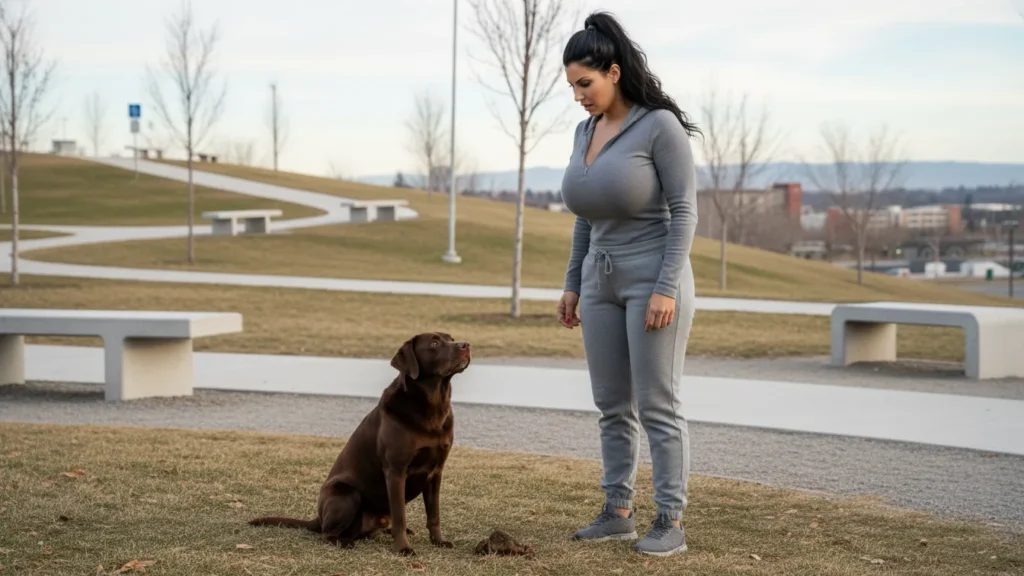
Your dog squats.
You politely look away.
But then you feel it.
That unmistakable stare.
You glance back — and there they are.
Locked eyes.
Unblinking.
Almost… intense.
It feels awkward.
Sometimes funny.
Occasionally confusing.
And almost every dog owner wonders the same thing:
Why does my dog stare at me while pooping?
The answer has nothing to do with dominance, guilt, or trying to make you uncomfortable.
👉 It’s about vulnerability, trust, and ancient survival instincts.
Pooping Is a Vulnerable Moment for Dogs
For dogs, eliminating isn’t casual.
In the wild, squatting to poop puts a dog in one of their most defenseless positions:
- Limited movement
- Lowered awareness
- Slower reaction time
They can’t flee quickly.
They can’t defend easily.
So instinctively, dogs seek protection during this moment.
And that’s where you come in.
Your Dog Is Checking: “Are You Watching My Back?”
When your dog stares at you while pooping, they’re not judging you.
They’re asking a silent question:
👉 “Are you there?”
👉 “Am I safe right now?”
Eye contact is reassurance.
In a pack setting, dogs rely on others to stay alert while one member is vulnerable.
In your dog’s mind:
You are the pack.
This Behavior Is a Sign of Trust, Not Weirdness
Dogs don’t make sustained eye contact lightly.
When a dog chooses to look at you during such a vulnerable act, it means:
- They trust you
- They see you as protection
- They feel safer with you nearby
Dogs who feel unsafe often:
- Rush elimination
- Hide
- Choose secluded areas
- Avoid eye contact entirely
Staring isn’t awkward in dog language.
It’s bonding.
Why Dogs Don’t Look Away Like Humans Do
Humans view bathroom privacy as social etiquette.
Dogs don’t share that rule.
To them:
- Eye contact = communication
- Eye contact = awareness
- Eye contact = connection
They’re not embarrassed.
They’re alert.
And they want to know you’re alert too.
Evolutionary Roots: The Wild Still Lives in Your Dog
Even though your dog lives on couches and eats from bowls, their brain still carries ancient programming.
In the wild:
- Dogs pooped with pack members nearby
- One dog watched while another eliminated
- Safety depended on awareness
Your dog’s behavior today is a modern version of an ancient survival system.
The environment changed.
The instinct didn’t.
Why Some Dogs Stare More Than Others
Not all dogs do this equally.
Dogs are more likely to stare if they are:
- Strongly bonded to their owner
- Naturally alert or sensitive
- New to the environment
- In unfamiliar outdoor spaces
- Previously anxious or insecure
Puppies and rescue dogs often stare more until they feel fully safe.
Indoor vs Outdoor Pooping Behavior
You may notice differences depending on location.
Outside:
- More staring
- More alert body posture
- Pausing mid-poop
Inside (training pads / yards):
- Less staring
- Faster elimination
- More relaxed posture
Environment matters.
Unfamiliar spaces increase vulnerability.
Is Your Dog Asking for Help?
Sometimes — but not usually.
Staring while pooping can occasionally signal:
- Mild discomfort
- Uncertainty about the location
- Distraction
- Early digestive sensitivity
But if your dog:
- Poops normally
- Shows no pain
- Acts relaxed afterward
The stare is emotional, not medical.
Normal Staring vs. Concerning Signals
| Behavior | Normal | Needs Attention |
|---|---|---|
| Eye contact | Calm, steady | Wide, distressed |
| Body posture | Balanced | Straining or hunched |
| Duration | Brief to moderate | Prolonged with vocalizing |
| Post-poop behavior | Normal walking | Lethargy or hiding |
| Frequency | Occasional | Every time + discomfort |
Context matters more than the stare itself.
Real-Life Example: The Leash Stare
Many owners notice this most on walks.
Your dog squats.
You’re holding the leash.
They look directly at you.
This happens because:
- You’re physically connected
- You control movement
- You represent safety
The leash reinforces the pack bond.
Common Owner Mistakes During This Moment
Well-meaning reactions can confuse dogs.
Avoid:
- Staring back intensely
- Laughing loudly
- Pulling the leash mid-poop
- Rushing them
- Scolding for eye contact
Remain calm and neutral.
Your dog reads your energy.
What You Should Do When Your Dog Stares
1. Stay Calm and Still
This signals safety.
2. Avoid Sudden Movements
Let them finish comfortably.
3. Soft Eye Contact Is Fine
You don’t need to stare — just be present.
4. Keep Walks Predictable
Routine builds confidence.
Your calm presence completes their safety check.
Hidden Tip Most Owners Miss
Dogs often stare less as trust deepens.
If your dog used to stare intensely and now doesn’t:
- They feel more secure
- They trust the environment
- They trust you implicitly
Reduced staring isn’t rejection.
It’s confidence.
Why This Matters Today
Modern dogs:
- Spend more time on leashes
- Eliminate in unfamiliar urban spaces
- Encounter constant stimulation
- Depend heavily on humans for safety cues
Understanding this behavior prevents:
- Misinterpretation
- Embarrassment
- Unnecessary concern
- Broken trust
It also deepens your bond.
When Staring Might Signal a Problem
Rarely, attention may be needed if staring is paired with:
- Straining or crying
- Constipation or diarrhea
- Sudden behavior change
- Avoidance after elimination
- Repeated discomfort signals
In such cases, observation matters.
Key Takeaways
- Pooping is a vulnerable moment for dogs
- Staring is a safety check, not awkwardness
- Eye contact reflects trust and bonding
- Evolutionary instincts drive the behavior
- Calm owner responses reinforce security
- Most staring is completely normal
Frequently Asked Questions
1. Is my dog embarrassed when they stare at me?
No. Dogs don’t experience bathroom embarrassment like humans.
2. Should I look back or look away?
Either is fine. Calm presence matters more than eye contact.
3. Why does my dog only stare outside?
Outdoor environments feel less predictable and more vulnerable.
4. Do all dogs do this?
No. Personality, confidence, and experience influence behavior.
5. Does staring mean my dog is anxious?
Not usually. It often means they trust you to keep watch.
A Simple Final Thought
That stare isn’t awkward.
It’s ancient.
Your dog is doing what dogs have always done — checking that someone they trust is watching their back when they can’t.
And that someone is you.
Disclaimer: This article is for general educational purposes only and does not replace personalized advice from a veterinary or animal behavior professional.

Dr. Sofia Romano, DVM, is an experienced veterinarian specializing in small-animal medicine and preventive care. She has treated thousands of cases using evidence-based diagnostics and modern clinical practices. Dr. Romano is dedicated to providing science-backed pet-health guidance that helps owners make informed decisions and improve their pets’ quality of life.