The Moment That Catches Every Dog Owner Off Guard
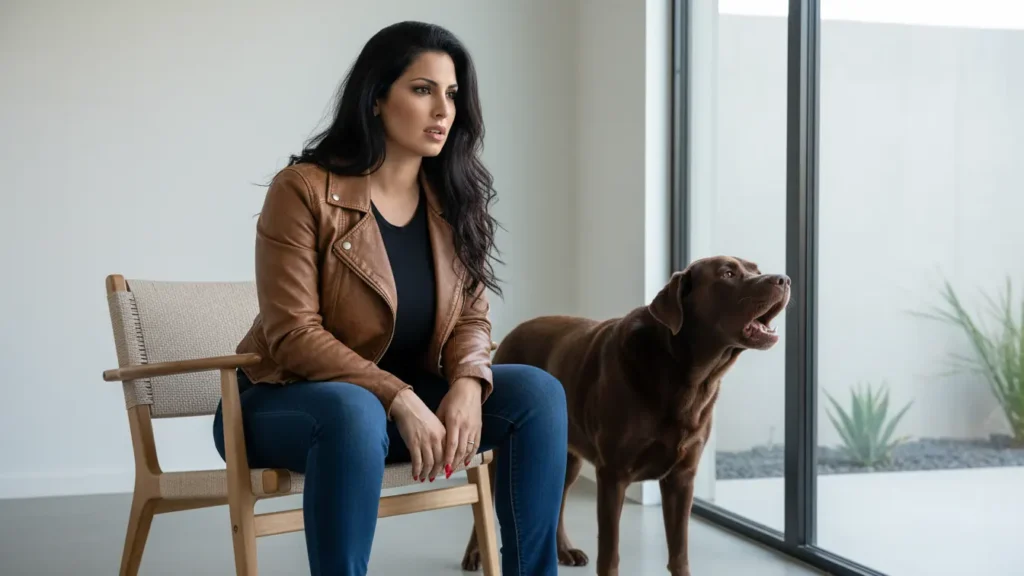
Your dog used to walk into rooms confidently.
Approach strangers calmly.
Explore without hesitation.
Then one day, something shifts.
They pause at doorways.
Hesitate on walks.
Stick closer to you—or avoid situations they once handled easily.
Nothing dramatic happened.
No obvious trauma.
Yet their confidence feels… gone.
This sudden change is deeply unsettling for pet parents. And the most common reaction is also the most misleading:
“Nothing happened. Why is my dog acting like this?”
The truth is, confidence loss in dogs rarely comes from one obvious event.
It builds quietly, through subtle biological, emotional, and environmental changes that often go unnoticed.
Understanding why this happens is the first step toward helping your dog feel secure again.
What “Confidence” Actually Means to a Dog
Confidence in dogs isn’t personality or stubbornness.
It’s a nervous system state.
A confident dog feels:
- Predictability
- Physical safety
- Emotional stability
- Control over outcomes
When these foundations are disrupted—even slightly—the brain shifts into protective mode.
That protection doesn’t look dramatic at first.
It looks like hesitation. Avoidance. Watchfulness.
And once that state becomes habitual, confidence fades.
The Most Common (And Overlooked) Triggers of Sudden Confidence Loss
1. A Single Negative Experience That Felt Bigger Than It Looked
Dogs don’t evaluate experiences logically.
They evaluate how it felt to their nervous system.
Examples:
- A loud noise during a walk
- A slip on a smooth floor
- A dog barking unexpectedly
- Being restrained during grooming or vet visits
Even if your dog “seemed fine” afterward, their brain may quietly associate:
- That location
- That sound
- That time of day
with uncertainty.
Confidence erodes not from fear—but from unresolved stress memory.
2. Physical Discomfort That Changes Emotional Safety
Pain doesn’t always look like limping.
Dogs experiencing subtle discomfort may:
- Move less confidently
- Avoid jumping or climbing
- Hesitate before movement
- Become cautious in new environments
This creates a powerful internal loop:
Movement feels unpredictable → environment feels unsafe → confidence drops
Common hidden contributors:
- Joint stiffness
- Dental pain
- Digestive discomfort
- Muscle soreness after overexertion
A dog that doesn’t trust its body stops trusting the world.
3. Changes in Routine That Remove Predictability
Dogs rely heavily on patterns.
When routines shift—even positively—the emotional map they depend on weakens.
Triggers include:
- Owner schedule changes
- Travel or relocation
- New pets or family members
- Different walking times
- Reduced interaction or enrichment
What looks minor to us can feel like loss of control to a dog.
Confidence thrives on knowing what comes next.
4. Emotional Contagion From Humans
Dogs are exceptionally sensitive to human emotional states.
If you’ve been:
- More stressed
- Less present
- Anxious or distracted
- Emotionally unavailable
Your dog notices.
They don’t understand why—they just sense instability.
Over time, this creates:
- Increased vigilance
- Attachment changes
- Reduced exploratory behavior
Confidence doesn’t disappear—it withdraws.
5. Developmental Phases (Especially in Young Dogs)
Many dogs go through secondary fear periods, even after puppyhood.
During these phases:
- Previously neutral things feel threatening
- Confidence dips temporarily
- Caution increases
This is not regression—it’s neurological rewiring.
How owners respond during this phase often determines whether confidence returns… or erodes further.
Confidence Loss vs Fear vs Anxiety — Know the Difference
| Behavior Type | What It Looks Like | Root Cause | Best Response |
|---|---|---|---|
| Confidence Loss | Hesitation, avoidance | Uncertainty | Gentle rebuilding |
| Fear | Startle, escape | Specific threat | Desensitization |
| Anxiety | Hypervigilance, pacing | Anticipation | Predictability + calm |
| Learned Insecurity | Shutdown behavior | Repeated stress | Structured safety |
Mislabeling the issue often leads to well-intentioned but harmful responses.
Common Mistakes That Make Confidence Loss Worse
Many owners accidentally reinforce insecurity by trying to “fix” it fast.
Avoid:
- Forcing exposure
- Repeated reassurance in anxious moments
- Overprotecting
- Punishing hesitation
- Dragging dogs into situations they avoid
These actions teach the brain:
“Your discomfort was justified.”
Confidence grows through choice, not pressure.
How to Rebuild Confidence Safely and Effectively
Step 1: Restore Predictability
- Fixed walk times
- Consistent routes initially
- Familiar environments
- Calm transitions
Predictability signals safety to the nervous system.
Step 2: Create Easy Wins
Confidence rebuilds through success.
Examples:
- Short walks instead of long ones
- Simple commands your dog excels at
- Low-stimulation environments
Success releases calming neurochemicals that reinforce bravery.
Step 3: Let the Dog Lead (Within Limits)
Allow:
- Sniffing
- Pausing
- Observing
Sniffing isn’t avoidance—it’s information gathering.
Information creates confidence.
Step 4: Reinforce Calm Exploration
Reward:
- Curiosity
- Engagement
- Voluntary movement forward
Avoid rewarding fear responses unintentionally.
Step 5: Address Physical Comfort Early
If confidence loss is sudden or persistent:
- Schedule a health check
- Observe subtle movement changes
- Don’t assume behavior is “just emotional”
The body and mind are deeply connected.
Why This Matters More Than Most Owners Realize
Confidence loss doesn’t stay small.
Left unaddressed, it can evolve into:
- Chronic anxiety
- Reactivity
- Avoidance-based aggression
- Emotional shutdown
But when addressed early, confidence often returns stronger than before.
Dogs don’t lose confidence because they’re weak.
They lose it because something inside them is asking for safety.
Hidden Tip Most Owners Miss
Confidence isn’t rebuilt during exposure.
It’s rebuilt after, when the dog processes the experience calmly.
That quiet decompression time matters more than the activity itself.
Key Takeaways
- Sudden confidence loss is common—and usually multi-factorial
- Small experiences can have big emotional impact
- Physical discomfort often masquerades as emotional change
- Forcing confidence backfires
- Predictability, choice, and calm rebuild security
- Early support prevents long-term behavior issues
Frequently Asked Questions
1. Can a confident dog suddenly become insecure?
Yes. Confidence depends on nervous system safety, not personality.
2. Should I push my dog through fear to rebuild confidence?
No. Forced exposure often worsens insecurity.
3. How long does it take to rebuild confidence?
It varies—weeks to months—depending on cause and consistency.
4. Is confidence loss permanent?
Rarely. With correct support, most dogs recover well.
5. When should I seek professional help?
If confidence loss is sudden, severe, or worsening—especially with behavior changes.
A Calm Closing Thought
Your dog isn’t broken.
They’re communicating in the only language they have.
Confidence doesn’t vanish overnight—it fades when safety feels uncertain.
And with patience, structure, and understanding, it can return.
Often stronger than before.
Disclaimer: This article is for general educational purposes and does not replace individualized veterinary or behavior advice. If concerns persist, consult a qualified professional.

Dr. Sofia Romano, DVM, is an experienced veterinarian specializing in small-animal medicine and preventive care. She has treated thousands of cases using evidence-based diagnostics and modern clinical practices. Dr. Romano is dedicated to providing science-backed pet-health guidance that helps owners make informed decisions and improve their pets’ quality of life.