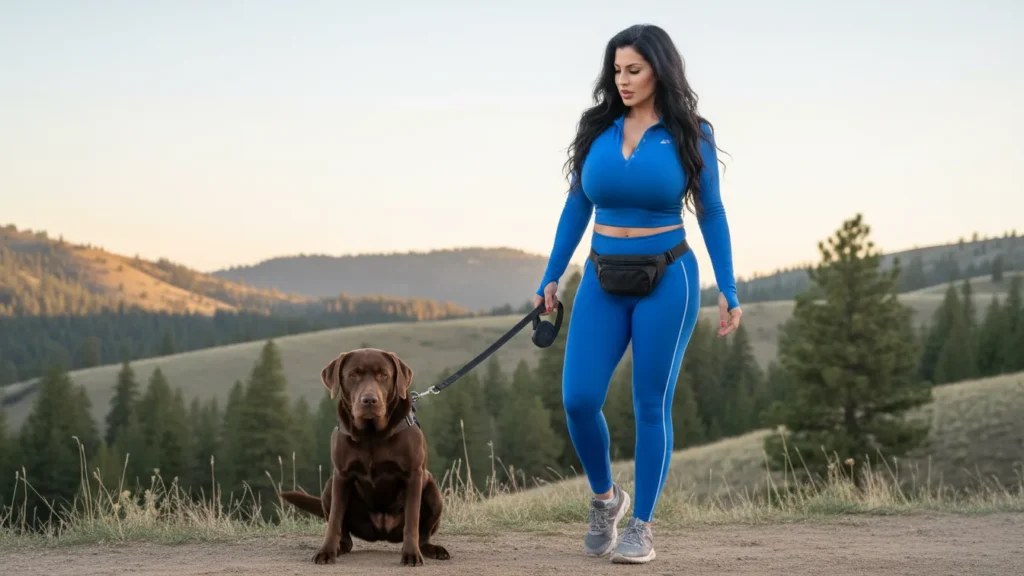
“He’s Trying… But Nothing’s Happening” — A Worry Many Owners Know
You go for the walk.
Your dog circles.
Squats.
Strains.
Then stands up and walks away.
No poop.
At first, you think:
“Maybe later.”
But when later comes — and still nothing — concern sets in.
Dog constipation is one of the most common digestive issues veterinarians hear about. And while it’s rarely an emergency, it’s almost never random.
👉 Constipation is usually your dog’s body signaling imbalance — not just in digestion, but in routine, hydration, or comfort.
This article explains:
- Why dogs get constipated
- What’s actually happening inside the body
- Vet-approved, safe solutions
- Mistakes that make constipation worse
All explained calmly, clearly, and without fear.
What Constipation Really Means in Dogs
Constipation isn’t just “not pooping.”
Veterinarians define it as:
- Infrequent bowel movements
- Dry, hard stools
- Straining with little or no output
Healthy dogs typically pass stool once or twice daily.
Occasional variation is normal.
Repeated difficulty is not.
According to guidance from the American Kennel Club, constipation is often linked to lifestyle and diet factors — not disease — especially when caught early.
How Digestion Works (And Where It Goes Wrong)
To understand constipation, it helps to know the basics.
In simple terms:
- Food moves through the intestines
- Water is absorbed along the way
- Stool forms and is expelled
Constipation happens when:
- Too much water is absorbed
- Movement slows down
- Stool becomes dry and difficult to pass
Many different factors can trigger this slowdown.
💧 1. Dehydration (The Most Common Hidden Cause)
Even mild dehydration can cause constipation.
Dogs that:
- Eat only dry kibble
- Drink less water
- Live in warm or dry climates
Are especially prone.
Why Water Matters
Water keeps stool soft and mobile.
When hydration drops, the body pulls more water from stool — making it hard and compact.
Real-Life Example
Dogs often become constipated after travel, boarding, or routine changes that reduce water intake.
🥩 2. Diet Low in Fiber (Or Too Much of the Wrong Kind)
Fiber is a balancing act.
Too little fiber → slow movement.
Too much fiber → bulky, dry stools.
Common Dietary Triggers
- Sudden food changes
- Excess processed treats
- Diets heavy in bone or calcium
Dogs need balanced fiber, not extremes.
This is why random home remedies often backfire.
🦴 3. Eating Indigestible Items
Dogs explore with their mouths.
Sometimes that leads to:
- Bones
- Hair
- Toys
- Grass or fabric
Small amounts can accumulate in the colon, making stool bulky and painful to pass.
This is more common in:
- Puppies
- Curious breeds
- Dogs left unsupervised
🏃 4. Lack of Physical Activity
Movement stimulates digestion.
Dogs with:
- Minimal walks
- Long confinement
- Reduced playtime
Often develop sluggish bowel movements.
Why Exercise Helps
Physical movement gently massages the intestines, encouraging normal stool movement.
This is why constipation often improves after consistent walks.
🧠 5. Stress and Routine Disruptions
Dogs are routine-driven.
Stress can:
- Slow gut motility
- Increase muscle tension
- Reduce the urge to eliminate
Triggers include:
- Travel
- New environments
- Household changes
Many dogs refuse to poop in unfamiliar places, leading to stool hardening over time.
🦷 6. Pain or Discomfort While Squatting
Sometimes constipation isn’t about the gut at all.
Dogs with:
- Joint stiffness
- Hip discomfort
- Back pain
May avoid squatting.
Holding stool longer leads to dryness and difficulty later.
This is especially common in senior dogs.
🧬 7. Age-Related Digestive Changes
As dogs age:
- Gut motility may slow
- Muscle tone decreases
- Hydration needs increase
Senior dogs are more prone to constipation — even with unchanged diets.
Routine adjustments often help more than drastic interventions.
🚫 8. Overuse of Certain Supplements or Chews
Calcium-heavy products, bone-based chews, or excessive supplements can dry stool.
Many owners assume “natural” means harmless — but balance still matters.
Moderation is key.
🔍 Comparison Table: Causes & Vet-Recommended Solutions
| Cause | Why It Leads to Constipation | Vet-Approved Support |
|---|---|---|
| Dehydration | Hard, dry stool | Increase water intake |
| Low fiber | Slow stool movement | Balanced fiber sources |
| Foreign material | Stool blockage | Monitor chewing |
| Low activity | Reduced gut motion | Regular walks |
| Stress | Slowed digestion | Routine stability |
| Pain | Stool retention | Comfort support |
| Aging | Weaker motility | Gentle diet changes |
| Excess calcium | Dry stool | Reduce bone intake |
Mistakes Owners Often Make (That Worsen Constipation)
- Withholding food completely
- Adding random home remedies
- Ignoring mild constipation for days
- Overusing treats or chews
Hidden Insight
Constipation often worsens when owners panic or overcorrect.
Slow, steady adjustments work best.
Vet-Approved Ways to Support Normal Bowel Movements
While every dog is different, veterinarians commonly recommend:
- Ensuring constant access to fresh water
- Adding moisture to meals
- Increasing daily exercise gently
- Keeping feeding schedules consistent
- Monitoring stool quality, not just frequency
Any intervention should be gradual.
Why This Matters Today
Modern dogs live differently than their ancestors.
Indoor lifestyles.
Dry diets.
Less movement.
Constipation is often a side effect of convenience, not neglect.
Understanding the cause restores comfort — and prevents repeat episodes.
✅ Key Takeaways
- Dog constipation is common and usually manageable
- Dehydration is the most frequent cause
- Diet balance matters more than quick fixes
- Exercise and routine support digestion
- Early attention prevents discomfort
❓ Frequently Asked Questions
1. How long can a dog go without pooping?
Missing one day can be normal. More than two days deserves attention.
2. Is constipation painful for dogs?
It can be uncomfortable, especially if stool becomes very dry.
3. Can diet changes fix constipation?
Often, yes — when done gradually and correctly.
4. Are senior dogs more prone to constipation?
Yes, due to slower digestion and reduced mobility.
5. When should I consult a veterinarian?
If constipation persists, worsens, or is paired with discomfort, guidance is recommended.
A Calmer Way to Look at Digestive Trouble
Constipation isn’t a failure.
It’s feedback.
When you listen early — hydration, routine, balance — the body usually responds quickly.
Comfort returns.
Normalcy follows.
And your dog feels like themselves again.
Disclaimer: This article is for general educational purposes only and does not replace personalized advice from a qualified veterinarian.

Dr. Sofia Romano, DVM, is an experienced veterinarian specializing in small-animal medicine and preventive care. She has treated thousands of cases using evidence-based diagnostics and modern clinical practices. Dr. Romano is dedicated to providing science-backed pet-health guidance that helps owners make informed decisions and improve their pets’ quality of life.


Pingback: 10 Human Foods That Are Surprisingly Safe For Dogs — Vet-Approved Guide
Pingback: Why Dogs Hate Their Crate Suddenly — The Hidden Reason This Safe Space Stops Feeling Safe
Pingback: Why Dogs Lose Muscle Even When Eating Normally — The Hidden Causes Most Owners Overlook