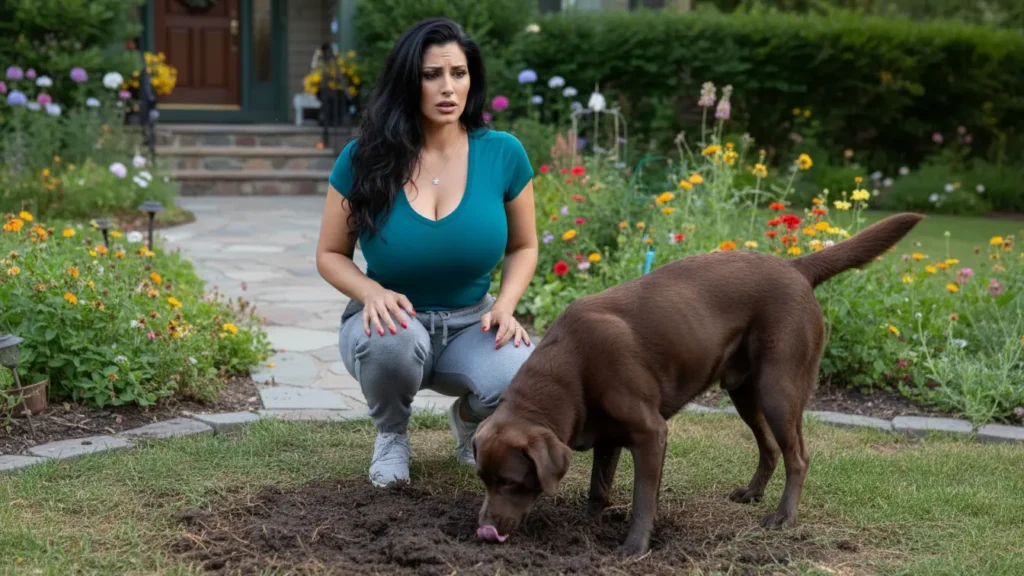
“When Your Dog’s Mouth Goes Straight to the Ground”
You’re on a walk.
Your dog suddenly lowers their head…
And starts eating dirt. Or mud. Or soil from a plant pot.
You pull them away, confused — maybe embarrassed.
Most owners brush it off as:
- A weird habit
- Curiosity
- “Dogs being dogs”
But here’s what veterinarians and animal behaviorists know:
👉 Dogs don’t eat dirt or mud without a reason.
👉 And it’s not always about missing nutrients.
Sometimes it’s digestive.
Sometimes emotional.
Sometimes instinctive.
And sometimes, yes — nutritional.
Understanding why matters, because this behavior can range from harmless to a sign your dog’s body is trying to self-correct something.
First: What Is Dirt Eating in Dogs Called?
The technical term is pica.
Pica refers to eating non-food items such as:
- Dirt
- Mud
- Sand
- Rocks
- Clay
In dogs, pica is a symptom, not a diagnosis.
The cause determines whether it’s:
- Mild and temporary
- Behavioral
- Nutritional
- Or medical
The Big Question: Is It Really a Nutrient Deficiency?
Let’s clear up the biggest myth first.
❌ Most dogs eating dirt do NOT have a true nutrient deficiency.
Modern commercial dog foods are nutritionally complete.
True mineral deficiencies (iron, zinc, etc.) are rare unless:
- Diet is poorly balanced
- Homemade diets are unformulated
- Absorption is impaired
So if nutrients aren’t missing… why the dirt?
Reason #1: Digestive Upset or Gut Imbalance (Very Common)
Dogs often eat dirt or mud to soothe their stomach.
Soil contains:
- Microbes
- Minerals
- Earthy compounds
Instinctively, some dogs seek it out when they feel:
- Nauseous
- Gassy
- Acidic
- Unsettled
You may also notice:
- Grass eating
- Lip licking
- Burping
- Soft stools
Real-life example
A young adult dog was brought in because he repeatedly ate mud during walks, especially after meals. He otherwise seemed healthy, but his owner noticed occasional lip licking and softer stools.
After stabilizing his diet and addressing mild digestive upset, the dirt-eating behavior gradually disappeared without supplements or medication.
Reason #2: Iron Deficiency or Anemia (Uncommon but Important)
In rare cases, dirt eating is linked to iron deficiency.
Clues include:
- Pale gums
- Lethargy
- Reduced appetite
- Weakness
- Rapid breathing
Iron-deficient dogs may seek soil instinctively — similar to humans with pica.
⚠️ This requires veterinary confirmation, not guesswork.
Real-life example
A dog was brought in because he kept eating dirt and seemed more tired than usual. Instead of assuming it was behavioral, a quick exam revealed pale gums, so basic blood tests were run.
Mild iron deficiency was found, and once it was addressed, the dirt-eating stopped.
Reason #3: Behavioral Boredom or Mental Understimulation
Dogs left unstimulated will invent behaviors.
Eating dirt can become:
- A boredom habit
- A sensory activity
- A self-entertainment behavior
This is common in:
- Puppies
- Adolescent dogs
- High-energy breeds
- Dogs left alone for long periods
Why it escalates
If dirt eating provides stimulation and no alternative is offered, it becomes reinforcing.
Reason #4: Stress, Anxiety, or Emotional Regulation
Stress changes behavior — including eating.
Anxious dogs may:
- Chew objects
- Lick surfaces
- Eat dirt or mud
Triggers include:
- New environments
- Loud noises
- Separation anxiety
- Routine changes
This is coping behavior, not misbehavior.
Reason #5: Learned Behavior From Puppies
Puppies explore with their mouths.
If a puppy:
- Eats dirt repeatedly
- Isn’t redirected
- Finds it interesting
The behavior can persist into adulthood.
Early redirection matters.
Reason #6: Scent and Taste Attraction
To dogs, dirt is not “flavorless.”
Soil contains:
- Animal scents
- Decomposing organic matter
- Fertilizer residue
- Salt traces
Some dogs are attracted to specific areas repeatedly.
⚠️ This increases risk of:
- Parasites
- Chemical exposure
- GI obstruction
Reason #7: Underlying Medical Conditions
Less commonly, dirt eating may be linked to:
- Gastrointestinal disease
- Pancreatic issues
- Malabsorption syndromes
- Chronic nausea
These dogs usually show other symptoms alongside pica.
Dirt Eating: Harmless vs Concerning
| Behavior Pattern | Usually Harmless | Needs Attention |
|---|---|---|
| Occasional soil nibbling | ✔ | |
| Puppy curiosity | ✔ | |
| Daily dirt consumption | ✔ | |
| Eating rocks or clay | ✔ | |
| Weight loss | ✔ | |
| Vomiting or diarrhea | ✔ | |
| Lethargy or pale gums | ✔ |
Common Mistakes Owners Make
❌ Punishing the behavior
❌ Assuming it’s “just a nutrient issue”
❌ Ignoring repeated episodes
❌ Over-supplementing minerals
❌ Letting dogs eat soil unsupervised
Punishment increases stress — and often worsens pica.
What You Should Do Instead (Actionable Steps)
Step 1: Observe the Pattern
Ask:
- When does it happen?
- After meals?
- During walks?
- During stress?
Patterns reveal causes.
Step 2: Improve Digestive Support
- Feed consistent meals
- Avoid sudden food changes
- Ensure hydration
- Avoid excessive treats
A calm gut reduces cravings.
Step 3: Increase Mental Stimulation
- Puzzle toys
- Sniff walks
- Training games
- Structured play
Mental engagement reduces boredom-driven pica.
Step 4: Manage the Environment
- Prevent access to muddy areas
- Supervise outdoor time
- Redirect immediately with toys or treats
Prevention beats correction.
Step 5: When to See a Vet
Consult a professional if:
- Dirt eating is frequent
- Other symptoms appear
- Your dog eats rocks or sand
- Energy levels drop
Testing rules out deficiencies safely.
Why This Matters Today
Soil today is not the same as soil decades ago.
It may contain:
- Pesticides
- Fertilizers
- Parasite eggs
- Toxins
What once was instinctive can now be harmful.
Understanding why your dog eats dirt protects them from risks you can’t always see.
Key Takeaways
- Most dogs eat dirt for digestive or behavioral reasons
- True nutrient deficiencies are rare
- Stress and boredom are common triggers
- Repeated dirt eating should never be ignored
- Early observation prevents long-term issues
Frequently Asked Questions
1. Is eating dirt dangerous for dogs?
Occasionally no, but frequent dirt eating increases risk of parasites and toxins.
2. Should I give mineral supplements?
Not without veterinary guidance. Over-supplementation can cause harm.
3. Why does my puppy eat mud?
Puppies explore with their mouths. Redirection is key early.
4. Can diet changes stop dirt eating?
Sometimes, especially if digestion or palatability is involved.
5. When is dirt eating an emergency?
If paired with vomiting, lethargy, weight loss, or rock ingestion.
Conclusion: Dirt Is a Message, Not the Problem
When a dog eats dirt or mud, they’re not being strange.
They’re communicating — quietly.
Whether it’s a stomach asking for relief, a mind seeking stimulation, or a body responding to stress, the behavior deserves curiosity, not correction.
Look at the pattern.
Support the cause.
And guide gently.
That’s how unusual habits turn into useful clues.
Disclaimer: This article is for educational purposes only and does not replace professional veterinary advice. If your dog’s behavior persists or worsens, consult a qualified veterinarian.

Dr. Sofia Romano, DVM, is an experienced veterinarian specializing in small-animal medicine and preventive care. She has treated thousands of cases using evidence-based diagnostics and modern clinical practices. Dr. Romano is dedicated to providing science-backed pet-health guidance that helps owners make informed decisions and improve their pets’ quality of life.






Pingback: Why Dogs Chase Their Tail — Cute Habit Or Hidden Medical Warning?