
A New Pet Supplement Is Exploding in Popularity — But Should You Trust the Hype?
If you’ve spent even five minutes scrolling through Instagram, TikTok, or popular pet forums lately, you’ve probably seen it:
a new “miracle pet supplement” that everyone claims transformed their dog or cat in just weeks.
Brighter fur. Better digestion. More energy. Even improved mood.
Sounds magical… almost too magical.
As a pet owner, it’s normal to feel curious — and cautious.
Today, we’ll break down what this trending supplement actually is, what it claims, whether it works, and how to choose safely so you never waste money or risk your pet’s health.
This is a vet-friendly, research-backed, no-nonsense guide you can trust.
What Exactly Is This Trending Pet Supplement?
While many versions exist, most of these viral formulas fall under three categories:
1. Probiotic + Prebiotic Blends
Designed for gut health, immunity, and stool improvement.
2. Omega-3 Fatty Acid Chews
Marketed for coat shine, skin issues, inflammation, and cognitive function.
3. Hip & Joint Soft Chews with Glucosamine
Promises better mobility, especially in older dogs.
Most “all-in-one” viral supplements combine two or more of these.
Why Pet Owners Are Obsessed: The Claims
Most ads and influencers highlight benefits like:
- Shinier coat and reduced shedding
- Fewer digestive problems
- Firmer, less smelly stools
- Improved energy levels
- Better mobility
- Relief from itching
- Reduced anxiety or irritability
Sounds amazing — but are these claims realistic?
Let’s break it down scientifically.
Do These Pet Supplements Actually Work? (Evidence-Based Breakdown)
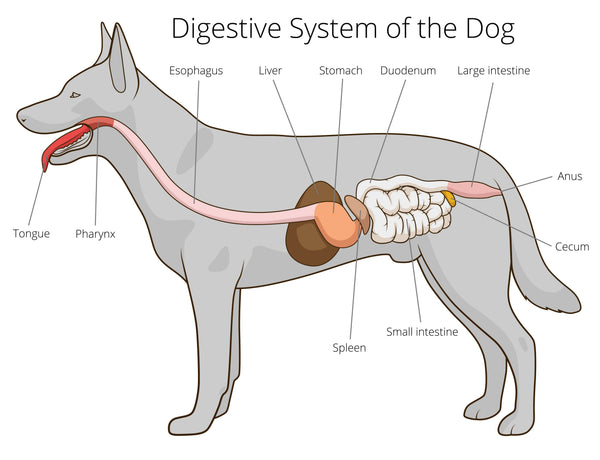

1. Probiotics: Backed by Strong Research
Multiple veterinary studies show that probiotics can help with:
- Loose stools
- Food intolerance
- Antibiotic-related diarrhea
- Gut inflammation
- Stress-linked digestive upset
Why it works:
70% of a pet’s immune system lives in the gut. A balanced microbiome = fewer issues.
Real Example:
A Labrador with chronic soft stools improved dramatically after 10 days on a clinically tested probiotic blend.
Verdict:
✔ Works when the strain is clinically tested
✘ Cheap supplements with generic strains rarely help
2. Omega-3 Fatty Acids: Highly Effective for Skin & Inflammation
EPA and DHA (found in fish oils) have been proven to:
- Reduce itchy skin
- Improve coat shine
- Support brain and eye health
- Reduce joint inflammation
But here’s the catch:
The dose matters. Most viral chews contain too little EPA/DHA to be therapeutic.
Verdict:
✔ Works when dosage is correct
✘ Under-dosed chews = little visible benefit
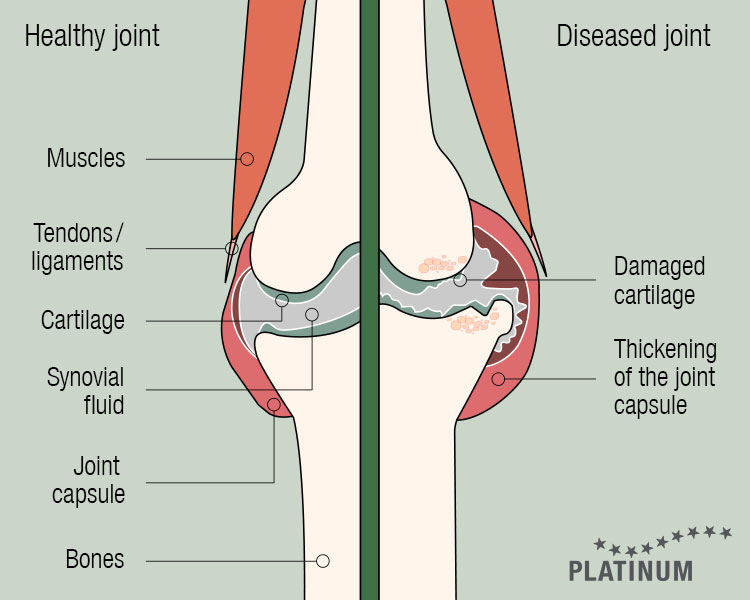
3. Joint Supplements: Helpful, Not Magic
Glucosamine + chondroitin + MSM can support:
- Cartilage health
- Joint lubrication
- Mobility in aging dogs
But improvements take 4–8 weeks, not days.
Verdict:
✔ Helps with mobility
✘ Not a cure for arthritis
✘ Won’t work overnight despite viral claims
The Hidden Truth: Not All Viral Pet Supplements Are Created Equal
Here’s what most pet parents don’t know:
Many trendy supplements rely on:
- Low-quality ingredients
- Ineffective dosages
- Artificial fillers
- Unregulated claims
- Zero clinical testing
Because the pet supplement industry is loosely regulated, brands can exaggerate benefits with little consequence.
This is why some pets show amazing results…
And others show nothing at all.
How to Know If a Pet Supplement Is Actually Worth Buying
Here’s a research-backed, vet-approved checklist.
1. Look for Clinical Studies
If the brand can’t provide studies → skip it.
2. Check for Active Ingredient Dosages
Examples:
- Omega-3: minimum 50–60 mg/kg EPA + DHA
- Probiotics: minimum 1–5 billion CFU per dose
- Glucosamine: 300–600 mg for medium dogs
Too low = useless.
3. Avoid Artificial Colors & Excessive Fillers
Quality supplements should be simple and clean.
4. Pick Brands Manufactured in GMP-Certified Facilities
Ensures safety, purity, and accurate labeling.
5. See If Veterinarians Endorse It
Not influencers.
Not pet celebrities.
Actual veterinarians.
Comparison Table: Probiotics vs. Omega-3 vs. Joint Chews
| Feature | Probiotics | Omega-3 Chews | Joint Chews |
|---|---|---|---|
| Helps with digestion | ⭐⭐⭐⭐⭐ | ⭐ | ⭐⭐ |
| Reduces shedding | ⭐⭐ | ⭐⭐⭐⭐ | ⭐ |
| Skin/itch relief | ⭐⭐ | ⭐⭐⭐⭐ | ⭐ |
| Mobility support | ⭐ | ⭐⭐⭐ | ⭐⭐⭐⭐ |
| Works quickly | 3–7 days | 7–14 days | 4–8 weeks |
| Best for | Sensitive stomachs | Itchy skin, shedding | Senior or active dogs |
Real Pet Owner Experiences (What People Are Reporting)
Positive Stories
✔ Dog stopped having loose stools
✔ Cat stopped excessive shedding
✔ Senior dog more playful after mobility support
✔ Shiny coat within 3 weeks of omega-3
Mixed Reviews
Some pet owners say:
- “It worked for a while and then stopped.”
- “My dog liked the taste, but I didn’t see major changes.”
- “It helped only when I switched to a higher-quality brand.”
Negative Experiences
A small percentage reported:
- Vomiting from poor-quality fish oil
- Diarrhea from cheap probiotic strains
- No results even after finishing the jar
Lesson: Quality matters more than trending hype.
Signs That a Pet Supplement Is Working
Look for these improvements:
For Probiotics
- Firmer stools
- Less stomach gurgling
- Improved appetite
For Omega-3
- Softer, shinier coat
- Reduced itching
- Fewer dry flakes
For Joint Chews
- Easier standing
- Less stiffness
- More energy during walks
If you see nothing after 30–45 days, reconsider or switch brands.
Signs You Should Stop Immediately
Stop the supplement if your pet experiences:
- Vomiting
- Diarrhea lasting more than 24 hours
- Excessive drooling
- Loss of appetite
- Lethargy
These reactions are rare, but possible with low-grade oils and fillers.
Mistakes Pet Owners Make (Avoid These!)
1. Choosing Taste Over Ingredient Quality
Flavored chews are often heavy in fillers.
2. Switching Supplements Too Quickly
Results take time — especially joint support.
3. Using Human Supplements
Human probiotic strains or fish oil doses can be unsafe.
4. Ignoring Weight-Based Dosage
Many small dogs get overdosed.
Many large dogs get under-dosed.
5. Expecting Overnight Results
Supplements support health — they’re not medications.
So… Should You Buy This Trending Pet Supplement?
The honest answer:
✔ Yes — if you choose a clinically backed, high-quality formula
Probiotics, omega-3s, and joint ingredients do work when:
- The brand is reputable
- The dosage is correct
- You use them consistently
✘ No — if you’re buying based on influencer hype alone
Cheap supplements = cheap results.
Key Takeaways
- The trending pet supplement category is real and effective when done right.
- Probiotics, omega-3s, and joint chews each offer different benefits.
- Most viral brands suffer from low dosages and poor ingredient quality.
- Always check clinical studies, dosages, and vet endorsements.
- Results take time — especially for joint health.
- Not all supplements work for every pet, and that’s normal.
Frequently Asked Questions
1. How long until I see results?
Probiotics: 3–7 days
Omega-3: 7–14 days
Joint chews: 4–8 weeks
2. Can I give multiple supplements together?
Usually yes — probiotics + omega-3s are a great combo.
But always consult your veterinarian for your pet’s specific needs.
3. Are supplements safe for all dogs and cats?
Most are safe, but pets with chronic illnesses should always check with a vet first.
4. What if my pet hates the taste?
Try powder forms, mix into wet food, or switch flavors.
Taste issues often indicate low-quality fats or binders.
5. Is there a “best” supplement type?
Not universally.
Gut issues = Probiotics
Shedding/skin = Omega-3
Mobility issues = Joint chews
Conclusion
Pet supplements can be powerful, safe, and genuinely life-improving — but only when you pick the right one.
The trending formulas you see online often exaggerate results, yet the core ingredients they use are well-researched and effective when sourced properly.
If you’re considering buying the viral pet supplement everyone’s talking about, don’t fall for flashy marketing.
Look at the science. Look at the dosage. Look at the brand.
Your pet deserves nothing less.

Dr. Sofia Romano, DVM, is an experienced veterinarian specializing in small-animal medicine and preventive care. She has treated thousands of cases using evidence-based diagnostics and modern clinical practices. Dr. Romano is dedicated to providing science-backed pet-health guidance that helps owners make informed decisions and improve their pets’ quality of life.






Pingback: Why Dogs Eat Grass — Vet-Approved Explanations Every Owner Should Know