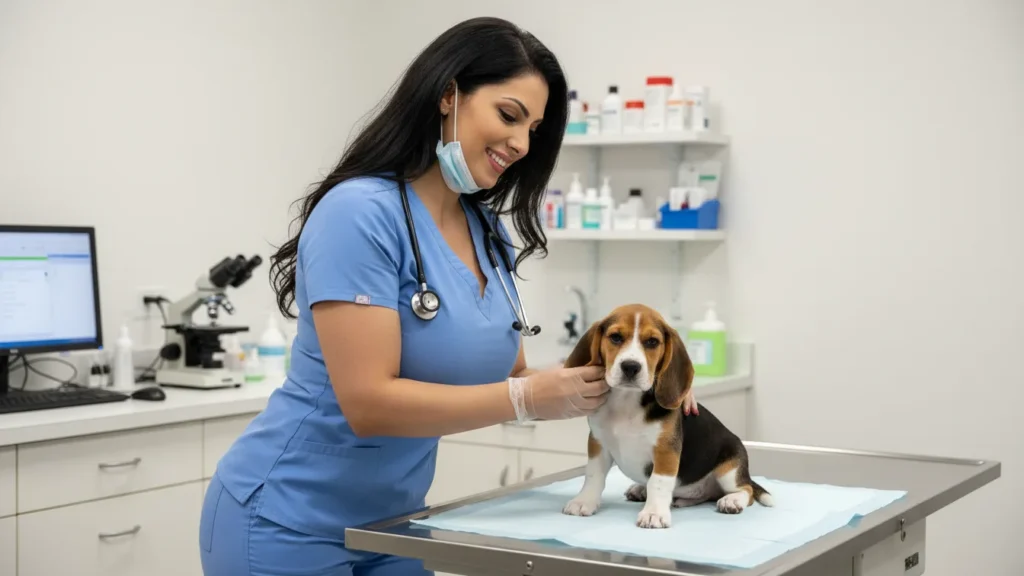
Cancer in dogs often hides in plain sight.
It doesn’t always start with a big lump…
or sudden weight loss…
or dramatic symptoms.
In fact, the earliest warning signs of cancer are usually so subtle and easy to overlook that most dog owners don’t recognize them until the disease has progressed.
But here’s the hopeful truth:
👉 Catching cancer early gives dogs a dramatically better chance at recovery, comfort, and long-term survival.
This guide breaks down the REAL symptoms vets wish every owner noticed sooner — explained in simple, clear language so you never miss what matters.
⭐ Why Early Cancer Signs Are Hard to Spot
Dogs hide pain.
It’s instinct.
In the wild, showing weakness makes an animal vulnerable — so even today, pets mask discomfort until symptoms become severe.
That means the earliest cancer signs are often behavioral, subtle, or easy to blame on aging, stress, or weather changes.
Most owners think:
- “He’s slowing down because he’s getting older.”
- “She’s not hungry; it’s probably the heat.”
- “That lump is small; I’ll check it later.”
But these small changes are often the body’s first cry for help.
Let’s break down the signs most owners miss.
1. Subtle Weight Loss (Even When Your Dog Eats Normally)
Weight loss is one of the most common early cancer symptoms — but it’s rarely dramatic at first.
Why Owners Miss It
- long fur hides changes
- gradual loss is hard to see daily
- dogs keep eating normally
What It Means
Cancer uses energy aggressively, causing:
- muscle loss
- fat loss
- slow decline
even when appetite hasn’t changed.
Check This
Run your hand along your dog’s ribs, spine, and hips weekly.
If bones feel sharper than usual → something is off.
2. A Lump That Seems “Too Small to Matter”
Not all lumps are cancer.
But many cancers start as tiny bumps that look harmless.
Missed Signs
- firm instead of soft
- growing slowly over weeks
- uneven texture
- attached to deeper tissue
Vet Rule of Thumb
👉 Any lump that lasts more than 1 month OR grows more than 1 cm should be examined.
Early testing saves lives. Always.
3. Sudden Changes in Appetite (Up or Down)
Cancer doesn’t always make dogs stop eating.
Many owners miss:
- selective eating
- getting full quickly
- interest in treats but not meals
- eating slower
- refusing food occasionally
Why It Happens
Cancer affects:
- digestion
- metabolism
- hormones
- pain levels
Even tiny appetite changes matter.
4. Low Energy or “Slowing Down” That Looks Like Aging
This is one of the most overlooked cancer signals.
Owners think their dog is:
- “just tired”
- “just older”
- “less active because of weather”
But when dogs with cancer slow down, it’s because the body is fighting something internally.
Watch For:
- less excitement for walks
- less playfulness
- more resting
- short bursts of energy followed by long naps
If your dog acts “different,” trust your intuition.
5. Changes in Bathroom Habits
Cancer can affect:
- bowels
- bladder
- digestion
- kidneys
Signs Owners Miss
- constipation
- softer stool than usual
- straining
- frequent urination
- accidents in the house
- unusual smells
If bathroom patterns change without a clear reason → investigate.
6. Persistent Cough or Difficulty Breathing
Many owners mistake this for:
- allergies
- kennel cough
- throat irritation
But a chronic cough can signal lung involvement, including:
- metastasis (spread from another cancer)
- chest tumors
Rapid breathing or panting at rest is another subtle danger sign.
7. Unexplained Vomiting or Diarrhea That Comes and Goes
Cancer in the GI tract causes intermittent digestive issues.
Owners often say:
- “He vomited but seems fine now.”
- “It’s probably something she ate.”
But repeated episodes, even mild ones, indicate inflammation or obstruction that needs evaluation.
8. Behavioral Changes (Most Underrated Sign)
Dogs with early cancer often behave differently long before pain becomes obvious.
Common Changes
- avoiding touch
- unusual clinginess
- hiding
- irritability
- restlessness at night
Behavior is the language dogs use when they can’t say, “Something hurts.”
9. Bad Breath That Isn’t Dental Disease
Strong odor from the mouth can signal:
- oral tumors
- digestive cancers
- metabolic changes
If brushing and dental checks don’t fix it, deeper investigation is necessary.
10. Swollen Belly or “Sudden Weight Gain”
A firm, enlarged abdomen can be caused by:
- internal bleeding
- organ swelling
- tumors
- fluid buildup
Many owners think their dog is gaining weight —
but it’s actually dangerous fluid or mass growth.
A swollen belly is ALWAYS a vet visit.
11. Limping That Comes and Goes
Bone cancer (osteosarcoma) often begins with:
- mild limping
- stiffness after lying down
- favoring one leg
Owners blame exercise, age, or the weather —
but bone tumors cause intermittent pain before worsening.
If limping persists beyond a few days → check it.
12. Non-Healing Wounds or Sores
Cancer affects the immune system and skin.
Watch for wounds that:
- don’t heal
- bleed repeatedly
- ooze
- crust over and reopen
This is especially important for older dogs.
⭐ Which Dogs Are at Higher Risk?
Cancer can affect ANY dog, but certain factors increase risk:
✔ Age
Middle-aged + senior dogs
✔ Breeds With Higher Risk
- Golden Retrievers
- Boxers
- Rottweilers
- German Shepherds
- Great Danes
- Poodles
- Beagles
✔ Lifestyle Factors
- obesity
- poor diet
- low exercise
- toxin exposure
✔ Genetic Predisposition
Knowing your dog’s risk helps you stay alert.
⭐ Comparison Table: Early Dog Cancer Signs vs Normal Aging
| Symptom | Possible Cancer Sign | Normal Aging |
|---|---|---|
| Weight loss | ✔ Sudden or ongoing | ✖ Usually weight gain |
| Lumps | ✔ Firm, growing, persistent | ✖ Soft, stable fatty lumps |
| Appetite change | ✔ Selective or reduced | ✖ Mild decrease only |
| Energy loss | ✔ Sudden or unusual | ✔ Gradual over years |
| Behavior change | ✔ Irritability, hiding | ✖ Increased calmness |
| Bathroom changes | ✔ Inconsistent patterns | ✖ Predictable decline |
| Coughing | ✔ Persistent | ✖ Rare in aging alone |
If a change feels fast, odd, or inconsistent, treat it as a warning.
⭐ When to See a Vet
Immediate check recommended for:
- fast-growing lumps
- black or bloody stools
- swollen abdomen
- persistent cough
- unexplained weight loss
- repeated vomiting
- difficulty breathing
- sudden behavioral shifts
You are not “overreacting.”
You’re protecting your dog.
⭐ What Vets Do to Diagnose Cancer
A vet may perform:
- full physical exam
- blood work
- X-rays
- ultrasound
- fine-needle aspiration of lumps
- biopsy
- urine tests
Most tests are quick and minimally stressful.
Early detection often means:
- simpler treatment
- lower costs
- better outcomes
⭐ What You Can Do at Home (Early Detection Checklist)
Check your dog every month:
✔ Feel for lumps
Use gentle hand sweeps along the body.
✔ Monitor weight
Record monthly.
✔ Watch bathroom habits
Track frequency + consistency.
✔ Check breathing
Normal breathing should be calm.
✔ Evaluate energy levels
Note sudden changes.
✔ Look at gums
Should be pink, not pale or swollen.
✔ Track appetite
Small changes matter.
Hidden Tip:
Take monthly photos of your dog from the side and above — weight and muscle changes become easy to spot.
⭐ Key Takeaways
- Cancer signs in dogs are often subtle, gradual, and easy to miss.
- Weight loss, lumps, appetite changes, low energy, and behavior shifts are the top missed symptoms.
- Early detection greatly improves outcome and comfort.
- Most signs look harmless at first — but your attention can save your dog’s life.
- When in doubt, check it out. A quick exam is always better than waiting.
⭐ FAQs
1. Are small lumps always cancer?
No — but ANY lump should be checked if it grows or lasts longer than a month.
2. My dog is old; is it normal for them to slow down?
Gradually, yes. Suddenly, no.
3. Can cancer cause behavior changes?
Absolutely — discomfort, pain, or internal changes alter mood.
4. Is weight loss a big cancer sign?
Yes. Even small, unexplained loss is significant.
5. What’s the best way to detect cancer early?
Monthly home checks + yearly vet exams (twice yearly for seniors).
Conclusion
Cancer doesn’t always show up with dramatic symptoms.
Often, it starts with tiny changes — a skipped meal, a new bump, a day of low energy — signs most owners overlook.
But you don’t have to.
By watching closely and acting quickly, you can catch cancer early, give your dog a better chance, and protect the friend who loves you unconditionally.

Dr. Sofia Romano, DVM, is an experienced veterinarian specializing in small-animal medicine and preventive care. She has treated thousands of cases using evidence-based diagnostics and modern clinical practices. Dr. Romano is dedicated to providing science-backed pet-health guidance that helps owners make informed decisions and improve their pets’ quality of life.




Pingback: Why Your Dog Smells Bad Even After a Bath — A Vet Explains the Hidden Reasons
Pingback: Why Dogs Can Sense Illness Before Symptoms Appear — The Quiet Superpower Hiding In Plain Sight
Pingback: Why Dogs Hide Pain Better Than Humans Expect — The Quiet Survival Instinct Every Owner Misreads
Pingback: The Real Reason Your Dog Is Losing Hair — Vet Warning Every Pet Parent Should Read
Pingback: The Real Reason Dogs Scratch Even Without Fleas
Pingback: What Your Dog’s Sleeping Position Says About Their Health