
Your dog throws up.
You panic for a second.
Then… he’s running, eating, wagging his tail like nothing happened.
So you think:
“Maybe it’s nothing.”
Sometimes, you’re right.
But other times, that combination — vomiting plus normal behavior — is exactly what makes owners miss early warning signs.
Veterinarians see this pattern every single week.
Let’s break down why dogs can vomit and still seem fine, when it’s harmless, and when it quietly signals a deeper issue.
Why Vomiting Doesn’t Always Mean Your Dog Is “Sick”
Vomiting is not a disease.
It’s a symptom — and dogs are extremely good at compensating.
Unlike humans, dogs often:
- Hide discomfort
- Continue normal behavior despite nausea
- Recover quickly after stomach irritation
This is why a dog can vomit once… then happily beg for food minutes later.
But here’s the catch:
The cause matters more than the behavior.
The Most Common Hidden Reason: Bilious Vomiting Syndrome
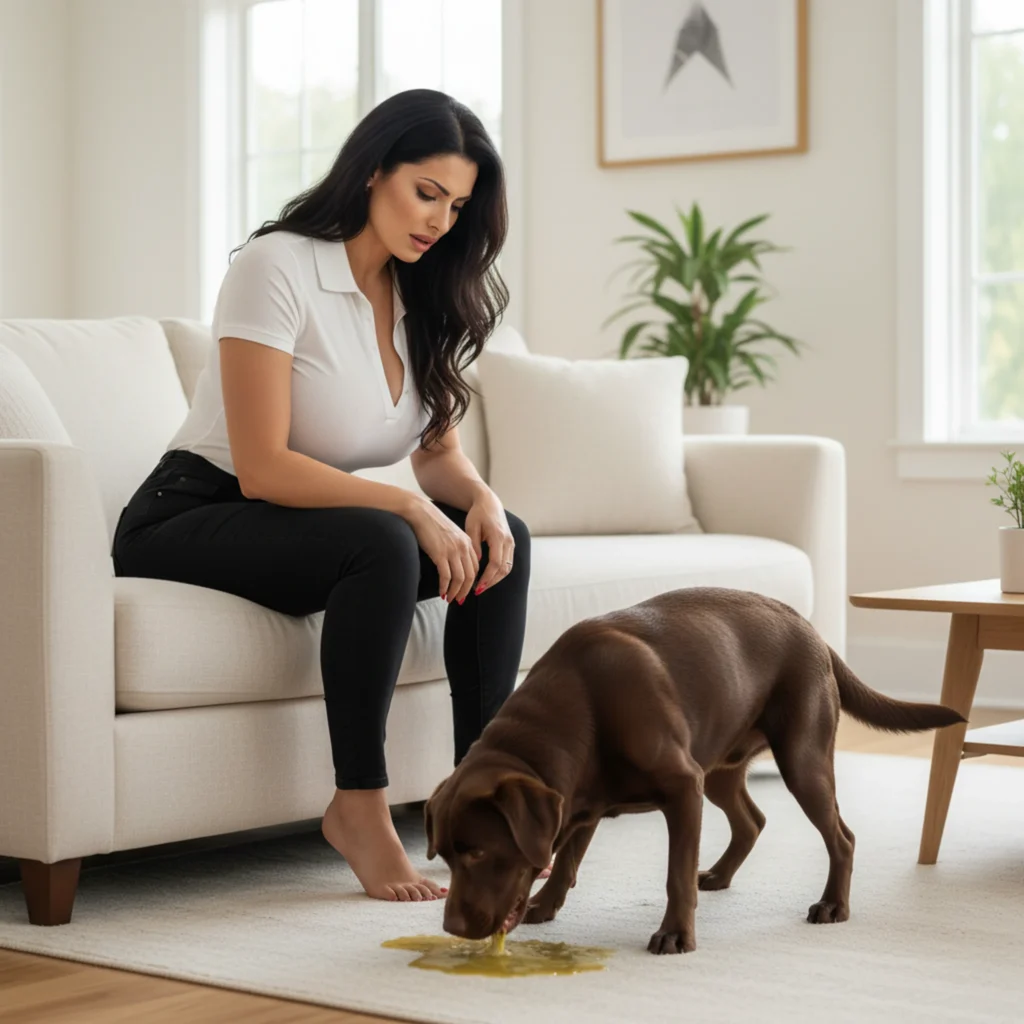
One of the most overlooked causes of vomiting in otherwise healthy dogs is Bilious Vomiting Syndrome (BVS).
What happens:
- The stomach stays empty too long
- Acid and bile irritate the stomach lining
- The dog vomits yellow or foamy fluid
- Then acts completely normal afterward
Typical signs:
- Vomiting early morning or late night
- Yellow or clear foam
- Happens occasionally, not constantly
- Dog eats normally afterward
Why owners miss it:
The dog looks fine, so the vomiting is brushed off.
Other Hidden Causes Vets Commonly See
Not all “acting normal” vomiting is harmless.
Here are other frequently missed reasons.
1. Eating Too Fast or Swallowing Air
Dogs that gulp food often vomit shortly after eating.
You may notice:
- Undigested food
- Vomiting within 30 minutes of meals
- No other symptoms
This is common in:
- Labradors
- Beagles
- Multi-dog households
Simple fix: Slow feeders or smaller portions.
2. Mild Food Sensitivities (Not Full Allergies)
Food sensitivities don’t always cause itching or diarrhoea.
Sometimes they show up as:
- Occasional vomiting
- Soft stool now and then
- No loss of energy
Common triggers:
- Dairy
- High-fat treats
- Sudden diet changes
3. Empty-Stomach Nausea (Hunger Vomiting)
Dogs can vomit simply because their stomach acid builds up between meals.
This looks like:
- Vomiting bile
- No appetite loss
- Normal energy
- Happens on long fasting schedules
Hidden tip:
Adding a small bedtime snack often stops this completely.
4. Mild Gastritis That Comes and Goes
Low-grade stomach inflammation can cause:
- Intermittent vomiting
- No fever
- No lethargy
- Normal appetite most days
Triggers include:
- Table scraps
- Stress
- Garbage exposure
- Fatty foods
Because symptoms are inconsistent, it often goes untreated.
5. Parasites (Even in Adult Dogs)
Many owners assume parasites only affect puppies.
That’s a mistake.
Adult dogs can have:
- Low parasite loads
- Occasional vomiting
- Normal weight
- Normal behavior
Routine deworming prevents this entirely.
When Vomiting Is NOT Normal (Even If Your Dog Acts Fine)
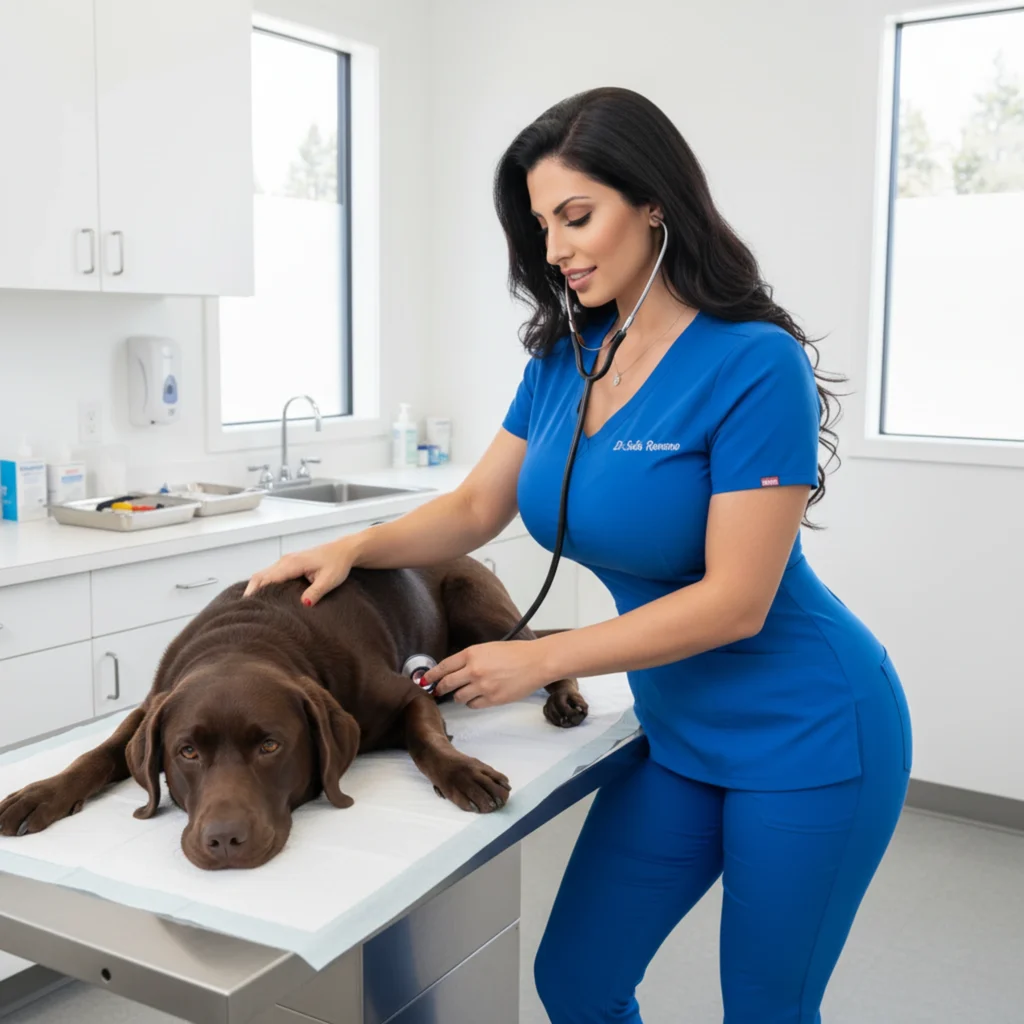
This is where owners get caught off guard.
Seek veterinary care if vomiting is:
- Happening more than once in 24 hours
- Occurring several times per week
- Increasing in frequency
- Accompanied by weight loss
- Mixed with blood (red or coffee-ground appearance)
Normal energy does NOT rule out serious disease.
Comparison Table: Harmless vs Concerning Vomiting
| Feature | Usually Harmless | Needs Vet Attention |
|---|---|---|
| Frequency | Once, occasionally | Repeated or frequent |
| Vomit color | Yellow/clear foam | Blood, dark brown |
| Appetite | Normal afterward | Reduced or picky |
| Energy | Normal | Subtle lethargy |
| Duration | Resolves quickly | Persists >24–48 hrs |
| Weight | Stable | Gradual weight loss |
Real-Life Vet Example
A 4-year-old Labrador vomited yellow foam twice a week for months.
He played normally and ate well.
Owner assumed it was “just acid.”
Bloodwork later showed early gastritis progressing toward pancreatitis — caught early enough to reverse with diet changes.
Acting normal delayed care.
Mistakes Dog Owners Commonly Make
Avoid these:
- Ignoring recurring vomiting because the dog “seems happy”
- Changing foods too frequently
- Overfeeding treats
- Using human antacids without vet advice
- Waiting until appetite drops
Actionable Steps You Can Take Today
If vomiting is occasional:
- Feed smaller, more frequent meals
- Avoid fatty treats
- Add a late-night snack
- Use a slow feeder
- Stick to one diet consistently
If vomiting repeats:
- Keep a vomiting log (time, color, frequency)
- Schedule a vet visit
- Ask about stool tests or bloodwork
- Rule out parasites and gastritis early
Why This Matters Today
Dogs are living longer than ever.
That means:
- More sensitive digestion
- More chronic, slow-developing conditions
- More subtle symptoms early on
Catching the cause before behavior changes can save your dog years of comfort — and you thousands in emergency bills.
Key Takeaways
- Dogs can vomit and still act normal — this is common.
- Bilious vomiting syndrome is a major hidden cause.
- Repeated vomiting is never “normal,” even without lethargy.
- Early intervention prevents serious disease.
- Trust patterns, not just your dog’s mood.
FAQ: Dog Vomiting but Acting Normal
1. Is it okay if my dog vomits once and seems fine?
Yes, a single isolated episode can be normal. Repetition is the concern.
2. Why does my dog vomit yellow foam in the morning?
This often indicates an empty stomach and excess bile irritation.
3. Should I change my dog’s food after vomiting?
Not immediately. Frequent food changes can worsen digestive issues.
4. Can stress cause vomiting in dogs?
Yes. Stress-related gastritis is common and often overlooked.
5. When should I go to the vet even if my dog acts normal?
If vomiting occurs more than once in a day, weekly, or shows blood.
Conclusion
Vomiting isn’t always dramatic.
Sometimes it’s quiet.
Sometimes it’s easy to ignore.
But when dogs vomit and act normal, that’s often when early disease hides best.
Pay attention to patterns — not just behavior.
Your dog depends on you to notice what they can’t explain.

Dr. Sofia Romano, DVM, is an experienced veterinarian specializing in small-animal medicine and preventive care. She has treated thousands of cases using evidence-based diagnostics and modern clinical practices. Dr. Romano is dedicated to providing science-backed pet-health guidance that helps owners make informed decisions and improve their pets’ quality of life.






Pingback: Why Dogs Drag Their Butt On The Floor — What Scooting Is Really Telling You
Pingback: Why Dogs Eat Dirt Or Mud — Is It A Nutrient Deficiency Or Something Else?
Pingback: Why Dogs Eat Their Own Poop — Behavioral And Medical Causes Vets Explain
Pingback: Why Dogs Eat Grass — Vet-Approved Explanations Every Owner Should Know
Pingback: Why Dogs Eat Too Fast — The Dangerous Condition Behind This Habit Most Owners Miss
Pingback: The Early Signs Of Liver Trouble In Dogs Most Owners Overlook