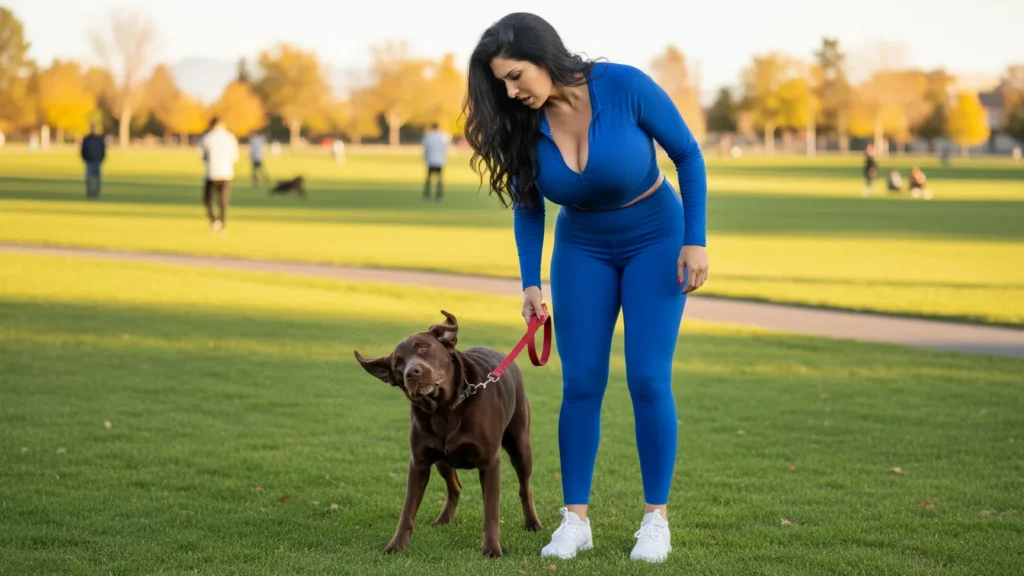
Ear mites get blamed for almost everything. Your dog shakes his head a few times too many, and before you’ve even looked in his ear, someone’s already mentioning mites — a neighbor, a forum post, sometimes even your own gut instinct from something you read once.
Here’s the thing veterinarians actually see in practice: ear mites are one of the least common reasons adult dogs shake their heads, not the most common. According to PetMD, mite infestations produce symptoms similar to yeast or bacterial infections, but they’re simply not as frequent a culprit, particularly in grown dogs rather than puppies. So if your dog’s been at it for days, the smarter first question isn’t “does he have mites” — it’s “what’s actually going on in there.”
The Most Likely Culprit: Infection, Not Parasites
Ear infections are, by a wide margin, the number one reason dogs shake their heads. One veterinarian put it bluntly in an interview on the topic: infections remain public enemy number one when it comes to this behavior, with allergies close behind as an underlying driver.
Here’s the twist most owners don’t realize — infections and allergies are usually linked, not separate problems. Bacterial and yeast infections are frequently secondary to an allergy that’s already inflaming the ear canal, whether that allergy comes from food, pollen, dust, or mold. Treat the infection without addressing the allergy underneath it, and the head shaking tends to come right back a few months later.
What to look for: redness inside the ear flap, a noticeable odor, discharge, or your dog acting sensitive when you touch the area. Deep canal infections don’t always show visible signs from the outside, which is exactly why a head-shaking dog with a seemingly “normal-looking” ear still deserves a proper look with an otoscope, not just a glance.
Allergies: The Root Cause Hiding Behind the Symptom
If the shaking comes bundled with paw licking, face rubbing, itchy skin, or hair loss, allergies are very likely part of the picture — sometimes the whole picture. Dogs can react to the same triggers people do: pollen, dust mites, mold spores, along with specific proteins in their food.
Food allergies get diagnosed through an elimination diet — a novel protein and carbohydrate the dog has never eaten before, given consistently for four to eight weeks to see whether symptoms actually improve. It’s slower than owners want, but it’s the only reliable way to confirm a food trigger rather than guessing.
Breed matters here too. Dogs with floppy, low-airflow ears — Labradors, Cocker Spaniels, French Bulldogs among them — run a higher baseline risk for both allergies and the ear infections that follow, simply because their ear shape traps heat and moisture more easily than an upright-eared dog’s does.
Water, Debris, and the “Wet Dog Shake” That Won’t Stop
Some head shaking is completely normal and needs zero intervention: right after a bath, a swim, or a muddy romp outside, dogs shake to clear water and debris the same way a person tilts their head after a shower. One veterinarian offered a useful comparison — a little water in a dog’s ear is a lot like a little water in yours; it doesn’t need treatment unless an infection develops on top of it.
The signal to watch for is duration. A few shakes right after getting wet, then it stops — completely normal. Shaking that continues well after your dog is fully dry, or that seems paired with obvious discomfort, points toward something still trapped in there, or irritation that’s already started.
The Less Common (But More Serious) Causes
A handful of causes show up less often, but matter enough to know about:
Foreign objects. Grass seeds, foxtails, small burrs, or bits of debris can lodge in the ear canal, especially in dogs who spend time in tall grass or brush. This tends to cause sudden, intense, one-sided shaking, often with visible distress. Never attempt to flush or probe the ear yourself if you suspect this — it can push the object deeper and cause real damage. This is a same-day vet visit.
Aural hematoma. Aggressive, prolonged head shaking can cause a blood vessel in the ear flap to rupture, creating a hot, swollen, balloon-like pocket. It looks alarming, and it should — it typically needs veterinary drainage and sometimes minor surgery to resolve properly.
Vestibular disease. In older dogs particularly, head tilting combined with shaking, along with stumbling or loss of balance, can point toward vestibular disease — a balance-system issue rather than a straightforward ear problem. This warrants prompt veterinary evaluation to rule out more serious neurological causes.
Dental issues. It’s an easy one to overlook, but mouth pain from dental disease can occasionally cause head shaking or shaking paired with drooling, since dogs sometimes react to oral discomfort in the same general head-and-face area.
What You Can Safely Check at Home
Before your vet visit, there’s a genuinely useful (and safe) at-home check: gently lift the ear flap and look for redness, swelling, discharge, or an unusual smell. That’s the extent of what’s advisable without professional tools.
What not to do: don’t insert cotton swabs, cleaning solutions, or any product into the ear canal itself. Anything beyond the visible outer flap risks pushing debris or infection deeper, or masking symptoms your vet needs to see clearly during the exam.
When to Actually Worry
Occasional head shaking after a bath or a romp outside isn’t cause for concern. Book a vet visit when you notice:
- Shaking that continues for more than a day or two, or happens daily
- Visible redness, swelling, discharge, or odor from the ear
- One-sided, sudden, intense shaking (possible foreign object)
- A hot, swelling ear flap (possible hematoma)
- Head tilt, stumbling, or loss of balance, especially in an older dog
- Shaking paired with drooling, pawing at the mouth, or visible dental issues
The Real Takeaway
Ear mites make for a tidy explanation, but they’re rarely the actual answer once a dog reaches adulthood. The real story behind most head shaking is a layered one — an allergy quietly driving an infection, or a floppy-eared breed whose anatomy just makes them more prone to trouble. Skipping straight to an over-the-counter mite treatment often means treating the wrong thing entirely, while the real cause keeps building underneath. A proper look in the ear, ideally with a vet’s otoscope, will tell you more in five minutes than any guess ever could.
Sources
- PetMD – Dog Shaking Head? Here’s When To Worry
- Doylestown Veterinary Hospital – What Should I Do If My Dog Keeps Shaking His Head?
- Joii Pet Care – Head Shaking in Dogs (Health A-Z)
- St. Louis Vets – Head Shaking in Dogs: When to Worry
- North Keller Animal Hospital – Why Does My Dog Scratch Its Ears and Shake Its Head?

Dr. Sofia Romano, DVM, is an experienced veterinarian specializing in small-animal medicine and preventive care. She has treated thousands of cases using evidence-based diagnostics and modern clinical practices. Dr. Romano is dedicated to providing science-backed pet-health guidance that helps owners make informed decisions and improve their pets’ quality of life.


Pingback: Why Dogs Keep Sneezing — Allergies Or Infection? The Signs Most Owners Overlook
Pingback: Why Dogs Keep Shaking After A Bath — The Real Reasons Behind This Instinctive Behavior