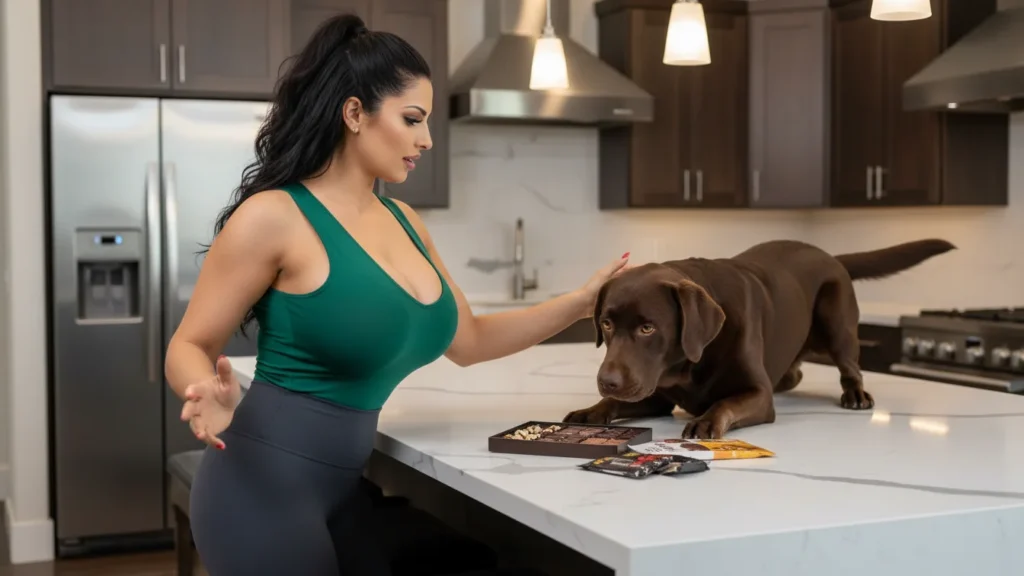
“The Bite That Seems Harmless — Until It Isn’t”
It happens in seconds.
You’re cooking dinner.
A piece of food drops.
Your dog grabs it before you can react.
Most of the time, nothing happens.
That’s why so many owners assume:
“If dogs eat human food, it must be fine.”
But here’s the truth many learn only after a scare:
👉 Dogs process food very differently than humans.
Some foods that are harmless — even healthy — for us can be genuinely dangerous for them.
According to organizations like the American Society for the Prevention of Cruelty to Animals, food-related toxic exposures are among the most common reasons dog owners seek emergency advice.
This article walks you through 10 foods you probably didn’t know were toxic for dogs, why they’re risky, and what to do instead — calmly, clearly, and without fear.
Why Dogs React Differently to Human Foods
Dogs aren’t small humans.
Their bodies differ in:
- Enzyme production
- Liver metabolism
- Sensitivity to certain compounds
What a human body filters easily, a dog’s system may struggle with — or fail to process entirely.
Even the U.S. Food and Drug Administration has issued repeated safety advisories warning pet owners about common household foods that pose risks to dogs.
Understanding these differences is the key to prevention.
❌ 1. Chocolate — More Than Just a Sugar Problem
Most people know chocolate isn’t good for dogs.
Few understand why.
What Makes Chocolate Toxic
Chocolate contains theobromine, a compound dogs metabolize very slowly.
Darker chocolates contain higher concentrations, making them more dangerous.
Why Owners Get Caught Off Guard
- Small dogs are affected faster
- Baking chocolate is far riskier than milk chocolate
- Symptoms may take hours to appear
Safer Habit
Keep all chocolate out of reach — including wrappers and baked goods.
❌ 2. Grapes and Raisins — Dangerous in Unexpected Ways
These look like perfect bite-sized snacks.
But grapes and raisins are among the most unpredictable toxic foods for dogs.
The Confusing Part
- Even small amounts can cause harm
- Not all dogs react the same way
- Toxicity doesn’t depend on size or breed
Why This Is Risky
Because there’s no known safe dose, grapes and raisins should never be shared.
❌ 3. Onions and Garlic — Hidden in More Foods Than You Think
These ingredients are everywhere:
- Sauces
- Seasonings
- Leftovers
Why They’re Dangerous
Onions and garlic can damage red blood cells in dogs when consumed repeatedly or in large amounts.
Raw, cooked, powdered — all forms matter.
Common Mistake
Sharing table scraps without checking ingredients.
❌ 4. Xylitol — The Sweetener That Acts Fast
Xylitol is a sugar substitute found in:
- Sugar-free gum
- Candies
- Baked goods
- Some peanut butters
Why It’s Especially Risky
In dogs, xylitol triggers a rapid insulin release, causing a sudden drop in blood sugar.
Even small quantities can be harmful.
Simple Rule
If a product says “sugar-free,” assume it’s unsafe unless confirmed otherwise.
❌ 5. Avocado — Healthy for You, Not for Dogs
Avocados are packed with nutrients for humans.
For dogs, certain parts pose risks.
What Causes the Problem
Avocados contain persin, a compound dogs don’t tolerate well in large amounts.
The pit also presents a choking hazard.
Real-Life Example
Many “healthy” homemade diets include avocado without realizing the risk.
❌ 6. Alcohol — Even Small Amounts Matter
This includes:
- Wine
- Beer
- Unbaked dough that ferments
Why Dogs Are Vulnerable
Dogs are far more sensitive to alcohol’s effects than humans.
Spilled drinks or curious licks can be enough to cause problems.
Prevention Tip
Never leave alcoholic drinks unattended around pets.
❌ 7. Macadamia Nuts — Small Snack, Big Problem
Macadamia nuts are uncommon but dangerous.
What Makes Them Tricky
- Symptoms can appear within hours
- Effects include weakness and coordination issues
- The exact toxin is still unknown
Because reactions are unpredictable, these nuts should always be avoided.
❌ 8. Cooked Bones — A Common, Costly Mistake
Many owners believe bones are “natural.”
But cooked bones are brittle.
Why They’re Dangerous
- Splinter easily
- Can cause choking
- May damage the digestive tract
Raw bones carry different risks — but cooked bones are especially problematic.
❌ 9. Excess Salt and Salty Snacks
Chips. Pretzels. Processed snacks.
Dogs don’t need added salt — and too much can overwhelm their system.
Hidden Sources
- Packaged foods
- Leftovers
- Seasoned meats
Occasional exposure isn’t ideal, but repeated sharing increases risk.
❌ 10. Caffeinated Foods and Drinks
Coffee. Tea. Energy drinks.
Caffeine affects dogs more intensely than humans.
Why It’s Risky
Caffeine stimulates the nervous system and heart, even in small amounts.
Coffee grounds and tea bags are especially dangerous.
🔍 Comparison Table: Toxic Foods vs Safer Alternatives
| Toxic Food | Why It’s Risky | Safer Alternative |
|---|---|---|
| Chocolate | Theobromine | Dog-safe treats |
| Grapes/Raisins | Unknown toxin | Blueberries |
| Onions/Garlic | Red blood cell damage | Plain cooked vegetables |
| Xylitol | Blood sugar drop | Xylitol-free peanut butter |
| Avocado | Persin & pit risk | Banana slices |
| Alcohol | Nervous system effects | Fresh water |
| Macadamia nuts | Neuromuscular issues | Unsalted peanuts (small amounts) |
| Cooked bones | Splintering | Vet-approved chews |
| Salty snacks | Sodium overload | Low-sodium treats |
| Caffeine | Nervous stimulation | Herbal dog-safe treats |
Common Mistakes Dog Owners Don’t Realize They’re Making
Many toxic exposures happen because:
- Food is shared casually
- Ingredients aren’t checked
- “Natural” is assumed safe
- Dogs scavenge dropped food
Hidden Tip
Always check ingredient lists, not just the main food name.
Why This Matters Today
Dogs live closer to humans than ever before.
They share:
- Kitchens
- Couches
- Daily routines
That closeness increases both bonding — and risk.
Awareness turns everyday moments into safer ones without changing how much you love your dog.
✅ Key Takeaways
- Many common foods are toxic for dogs
- Small amounts can still matter
- Ingredient awareness prevents most accidents
- Dogs don’t need human snacks to feel rewarded
- Safer alternatives always exist
❓ Frequently Asked Questions
1. What should I do if my dog eats a toxic food?
Stay calm and contact your veterinarian or a trusted animal poison resource for guidance.
2. Are all human foods bad for dogs?
No. Many are safe — but some common ones are not.
3. Is a small bite ever okay?
For some foods, yes. For others, even small amounts matter.
4. Can puppies eat these foods safely?
Puppies are often more sensitive and should be protected carefully.
5. How can I prevent accidental exposure?
Keep food out of reach and avoid sharing table scraps.
A Simple Way to Think About Food Safety
Dogs don’t measure food by logic.
They measure it by opportunity.
What’s on the floor, the table, or the counter becomes fair game.
The safest approach isn’t restriction — it’s awareness.
When you know what to avoid, protecting your dog becomes effortless.
Disclaimer: This article is for general educational purposes only and is not a substitute for professional veterinary advice.

Dr. Sofia Romano, DVM, is an experienced veterinarian specializing in small-animal medicine and preventive care. She has treated thousands of cases using evidence-based diagnostics and modern clinical practices. Dr. Romano is dedicated to providing science-backed pet-health guidance that helps owners make informed decisions and improve their pets’ quality of life.

Pingback: 10 Human Foods That Are Surprisingly Safe For Dogs — Vet-Approved Guide
Pingback: 5 Dangerous Dog Treats You Should Never Buy Again — What Most Labels Won’t Tell You