
If you’ve ever wished your dog could tell you when something feels wrong—or your cat could explain why it suddenly stopped eating—AI technology is bringing us closer to that reality than ever before.
Today’s smart pet wearables, health-scoring systems, and AI-driven monitoring tools do more than count steps.
They can detect early signs of disease, analyze subtle changes in behavior, and even alert you before a small issue becomes an emergency.
It’s like giving your pet a voice—one backed by data, science, and real-time health insights.
And for pet parents, the result is simple but powerful:
👉 More peace of mind. More prevention. Longer, healthier lives for our pets.
Let’s explore how this game-changing shift is unfolding.
The Rise of AI in Pet Care: Why This Matters Today
Pets can’t describe pain or discomfort, and most illnesses show subtle symptoms long before visible signs appear.
Traditionally, vets rely on periodic checkups and owner observations—both useful but limited.
AI is filling in the gaps.
Today’s tools can:
- Identify early indicators of arthritis, kidney disease, diabetes, anxiety, infections, and more
- Track activity, sleep cycles, hydration, and calorie burn
- Analyze behavior patterns and emotional changes
- Deliver personalized health scores for each pet
- Alert vets and owners instantly when something looks off
This shift isn’t just technological—it’s emotional.
Pet parents finally get real-time insight, and pets receive preventive care instead of reactive care.
Smart Collars: The New “Fitness Tracker” for Dogs and Cats
Smart collars have become one of the biggest breakthroughs in pet health.
If a fitness tracker can help humans live better, why not pets?
What Modern Smart Collars Track
- Activity levels
- Heart rate & respiratory rate
- Sleep quality
- Stress indicators
- Calorie output
- Micro-movements related to early pain
- Scratching, licking & abnormal behaviors
This data builds your pet’s baseline health profile—and flags changes automatically.
Real-Life Example: How a Smart Collar Saved a Dog’s Life
A Golden Retriever named Max had perfect annual check-ups.
But his smart collar showed a sudden spike in nighttime restlessness and increased heart rate.
His owner took him to the vet early.
The diagnosis?
Early-stage heart valve disease—caught months earlier than usual.
Treatment began immediately, and Max’s life expectancy improved dramatically.
This is the power of AI-driven preventive care.
Early Disease Detection: AI Spots Patterns Humans Can’t
AI can analyze thousands of micro-data points that would be impossible for a human to notice.
What AI Can Predict Early
- Kidney disease
- Arthritis & joint pain
- Heart conditions
- Skin allergies & dermatitis
- Anxiety and behavioral disorders
- Diabetes indicators
- Infections (UTI, ear infection, GI issues)
The earlier you catch these, the easier—and cheaper—they are to treat.
Why AI Excels at Early Detection
- Pets hide pain instinctively
- Humans miss subtle clues
- Vets only see snapshots, not continuous data
AI, however, monitors 24/7, recognizes tiny patterns, and warns you instantly.
Personalized Pet Health Scores: A New Standard of Care
Imagine receiving a simple health number—like a credit score, but for your pet.
That’s exactly what AI-powered health scoring systems deliver.
What Goes Into a Health Score?
- Activity & sleep quality
- Heart & breathing data
- Behavioral changes
- Eating & drinking patterns
- Age, breed, weight, medical history
- Predictive risk factors for common diseases
Why Health Scores Are Powerful
- You always know where your pet stands
- You can track improvements
- You catch declines early
- You instantly see which habits help or harm
It transforms pet health from guesswork to guided care.
Comparison Table: Traditional Pet Care vs. AI-Enhanced Pet Care
| Feature / Outcome | Traditional Care | AI-Enhanced Care |
|---|---|---|
| Monitoring | Occasional vet visits | 24/7 real-time monitoring |
| Disease Detection | Visible symptoms only | Detects micro-symptoms early |
| Owner Awareness | Relies on observation | Data-backed clarity |
| Emergency Prevention | Low | High |
| Personalization | General advice | Highly personalized insights |
| Cost Over Time | Higher due to late detection | Lower due to prevention |
| Pet Lifespan Support | Good | Significantly improved |
How AI Helps With Pet Behavior & Mental Health
Behavioral issues are rising because pets live modern indoor lifestyles with:
- Less stimulation
- More loneliness
- Irregular routines
- Anxiety triggers
AI tools track:
- Barking patterns
- Scratching and licking
- Pacing
- Sudden withdrawal
- Aggression indicators
Why this matters:
Behavioral changes are often the first signs of medical or emotional distress.
AI steps in before the problem escalates.
AI-Powered Vet Tools: Faster & More Accurate Diagnostics
Veterinarians are embracing AI too.
Modern AI vet tools assist in:
- Reading X-rays and ultrasounds
- Detecting tumors or fractures earlier
- Analyzing bloodwork patterns
- Predicting disease risk
- Recommending diet and exercise plans
AI doesn’t replace vets—it empowers them with deeper insights.
Hidden Benefits Pet Parents Don’t Realize Yet
1. Reduced medical bills
Preventive care catches problems early.
2. Faster recovery
Early detection leads to simpler treatments.
3. Emotional relief
No more guessing. No more uncertainty.
4. Strengthened bond
Understanding your pet’s needs deepens trust.
5. Longer lifespan
The combination of early detection + personalized care = more healthy years.
Mistakes Pet Parents Make With AI Devices
Even great technology fails when used incorrectly.
Avoid these common mistakes:
- Ignoring unusual data trends
- Not syncing the device regularly
- Buying cheap, unverified gadgets
- Expecting AI to replace vet care
- Using the collar too loose or too tight
AI works best when paired with regular veterinary check-ups.
Actionable Steps: How to Start Using AI for Your Pet
Step 1: Choose a Reliable Smart Device
Look for one that monitors:
- HR/RR
- Activity
- Sleep
- Behavior
Step 2: Create Your Pet’s Health Baseline
Use it consistently for the first 2–3 weeks.
Step 3: Track Weekly Trends
Don’t focus on daily fluctuations—look for patterns.
Step 4: Respond to Alerts Promptly
Many illnesses progress silently. Quick action matters.
Step 5: Share Data With Your Vet
Your vet can interpret subtle changes better than any app.
Key Takeaways
- AI is transforming pet care from reactive to preventive.
- Smart collars monitor health around the clock.
- AI detects diseases long before visible symptoms appear.
- Personalized health scores simplify pet wellness.
- Combined with vet expertise, AI helps pets live longer, safer, happier lives.
FAQs
1. Can AI really detect diseases in pets?
Yes. AI analyzes long-term trends and micro-changes that humans usually miss, allowing early detection of conditions like arthritis, kidney disease, and heart issues.
2. Is AI pet technology safe?
Reputable brands follow strict safety standards. Always choose products with veterinary backing.
3. Will AI replace veterinarians?
No. AI enhances veterinary care but cannot replace physical examinations, lab tests, and clinical judgment.
4. Are smart collars comfortable for pets?
Modern collars are lightweight and designed for everyday use. Most pets adjust within a day or two.
5. What’s the biggest benefit of AI for pets?
Peace of mind. You’ll know your pet’s health status at any moment—and catch issues early.
Conclusion
AI isn’t the future of pet care—it’s the present.
And it’s giving pets something priceless: a voice.
Smart collars, predictive analytics, and personalized health scores are helping pets stay healthier, happier, and safer than ever before.
With AI and your veterinarian working together, your pet gets the best of both worlds:
Human love + intelligent technology.

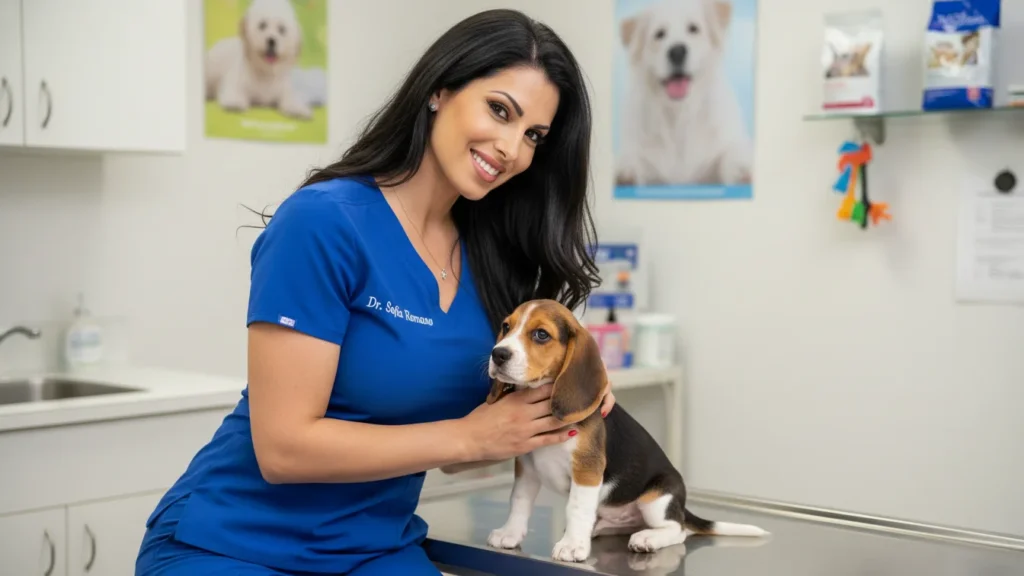
Dr. Sofia Romano, DVM, is an experienced veterinarian specializing in small-animal medicine and preventive care. She has treated thousands of cases using evidence-based diagnostics and modern clinical practices. Dr. Romano is dedicated to providing science-backed pet-health guidance that helps owners make informed decisions and improve their pets’ quality of life.




Pingback: The Hidden Reason Your Dog Vomits but Acts Completely Normal
Pingback: The Early Signs Of Skin Allergies In Dogs — The Subtle Clues Most Owners Miss