The Moment That Stops Pet Owners in Their Tracks
It often begins quietly.
Your dog follows the cat everywhere.
Stares at another dog in the house.
Refuses to leave a pet’s side—or avoids them entirely.
At first, it feels like coincidence.
Then the vet visit happens.
Bloodwork comes back abnormal.
An illness is diagnosed.
And suddenly, the memory clicks:
“My dog knew something was wrong before I did.”
Many pet owners experience this moment. And while it sounds extraordinary, it’s rooted in biology, not magic.
Dogs really can sense illness in other pets—and they often do it long before visible symptoms appear.
Why This Ability Isn’t As Mysterious As It Sounds
Dogs live in a sensory world that humans barely access.
What we see as “normal,” dogs experience as a constantly changing stream of:
- Chemical signals
- Body odors
- Movement patterns
- Breathing rhythms
- Energy shifts
Illness changes all of these—often subtly, but enough for a dog to notice.
Dogs aren’t diagnosing disease.
They’re detecting deviation from baseline.
And dogs are exceptionally good at noticing when “something is off.”
The Primary Reason: A Dog’s Sense of Smell Is Unmatched
Dogs have up to 300 million scent receptors.
Humans have around 6 million.
More importantly, the part of a dog’s brain devoted to processing smell is dramatically larger than ours.
When illness develops, the body releases:
- Volatile organic compounds (VOCs)
- Stress hormones
- Inflammatory byproducts
- Metabolic waste signals
These chemical changes alter natural scent—sometimes days or weeks before symptoms appear.
To a dog, the sick pet simply doesn’t smell “right” anymore.
Illness Changes Scent Even Without Obvious Signs
A pet doesn’t need to look sick for their scent to change.
Early illness can alter:
- Breath
- Skin oils
- Urine scent
- Body heat patterns
Dogs notice these changes through:
- Prolonged sniffing
- Repeated checking
- Fixation on one body area
- Following or guarding behavior
To humans, nothing seems different.
To dogs, the difference is obvious.
Dogs Also Read Movement and Energy Patterns
Smell is powerful—but it’s not the only signal.
Illness subtly changes how an animal moves.
Dogs pick up on:
- Micro-delays in movement
- Stiffness
- Altered posture
- Reduced responsiveness
- Breathing rhythm changes
These shifts happen before limping, lethargy, or appetite loss becomes noticeable.
Dogs don’t label this as “sickness.”
Their brain simply flags:
“This individual is not functioning normally.”
Emotional and Hormonal Signals Play a Role Too
Illness affects emotional state.
A sick pet often experiences:
- Increased cortisol (stress hormone)
- Fatigue
- Vulnerability
- Reduced confidence
Dogs are highly sensitive to emotional chemistry.
They detect:
- Stress pheromones
- Changes in social signaling
- Altered reactions to touch or proximity
This can trigger different responses:
- Increased protectiveness
- Gentle behavior
- Withdrawal
- Heightened alertness
Each dog responds based on temperament and relationship.
Common Ways Dogs React to Sick Pets
Dogs don’t all respond the same way—but patterns are common.
You may notice:
- Following the sick pet constantly
- Sleeping nearby
- Blocking access from others
- Excessive sniffing
- Whining or restlessness
- Avoidance or distancing
None of these are random.
They’re information-based reactions.
Why Some Dogs Avoid Sick Pets Instead of Comforting Them
Avoidance can feel hurtful—but it’s not rejection.
In nature, illness can signal risk.
Avoidance may reflect:
- Self-protection instinct
- Stress response
- Uncertainty
- Sensory overload
This doesn’t mean the dog “dislikes” the sick pet.
It means the dog recognizes something abnormal and responds cautiously.
Dogs in Multi-Pet Homes Notice Changes Fastest
Dogs living with other animals have a strong baseline reference.
They know:
- Normal energy levels
- Typical play style
- Usual smells
- Routine behaviors
This makes deviation easier to detect.
In multi-pet households, dogs often become early-warning systems, noticing subtle changes before owners do.
Dogs Can Detect Illness Earlier Than Humans — Here’s Why
| Signal Type | Humans Notice | Dogs Notice |
|---|---|---|
| Appetite change | Later | Early |
| Energy shift | Moderate | Subtle |
| Body odor | Rarely | Immediately |
| Emotional state | Sometimes | Constantly |
| Movement patterns | Obvious only | Micro-changes |
Dogs don’t wait for symptoms.
They notice signals.
Real-Life Example Many Owners Share
A dog begins lying beside the household cat.
The cat appears fine.
Eating normally.
Moving normally.
Days later, the cat stops eating.
A vet visit reveals kidney stress.
The dog didn’t know the diagnosis—but it detected the shift early.
These stories are common because the biology supports them.
What Dogs Are Not Doing (Important Clarification)
Let’s clear up misconceptions.
Dogs are NOT:
- Diagnosing diseases
- Predicting death
- Acting supernaturally
- “Sensing spirits”
They are detecting biological and behavioral changes.
This ability is impressive—but grounded in science.
Mistakes Owners Often Make When Dogs React to Sick Pets
Good intentions can sometimes cause harm.
Avoid:
- Scolding the dog for hovering
- Forcing separation unnecessarily
- Ignoring early behavioral clues
- Assuming jealousy or dominance
- Punishing avoidance
Behavior is communication.
Silencing it removes valuable information.
How Owners Should Respond (Actionable Steps)
1. Observe Both Pets Closely
When one pet changes behavior around another, look for:
- Appetite shifts
- Energy changes
- Litter box or bathroom changes
- Grooming differences
Dogs may be flagging early discomfort.
2. Maintain Calm Household Energy
Heightened human anxiety can:
- Stress both pets
- Increase tension
- Alter dog behavior further
Calm observation works better than panic.
3. Allow Gentle Contact (If Safe)
If the dog chooses to stay close:
- Allow it
- Monitor interactions
- Keep it low-key
This can be soothing for both animals.
4. Don’t Rely on Dogs Alone
Dogs can alert—but they don’t replace veterinary care.
Behavioral changes should prompt professional evaluation, not assumptions.
Hidden Tip Most Owners Miss
Dogs often respond to illness before clinical thresholds are crossed.
This means:
- Early vet visits can matter
- Subtle signs deserve attention
- Waiting for obvious symptoms delays care
Dogs aren’t alarms—they’re indicators.
Why This Matters Today
Pets live longer than ever.
With longer life comes:
- Chronic illness
- Subtle onset diseases
- Slow-developing conditions
Dogs noticing changes early can help owners:
- Act sooner
- Reduce suffering
- Improve outcomes
Understanding this ability builds better inter-pet care—not superstition.
Key Takeaways
- Dogs can sense illness in other pets through scent, movement, and emotional signals
- Changes often appear before visible symptoms
- Dogs react in different ways—comfort, vigilance, or avoidance
- This ability is biological, not mystical
- Owner awareness improves early intervention
- Behavioral changes between pets deserve attention
Frequently Asked Questions
1. Can dogs really smell disease?
They can detect scent changes caused by biological processes linked to illness.
2. Why does my dog follow my sick pet everywhere?
This can be protective or monitoring behavior driven by sensory changes.
3. Is avoidance a bad sign?
Not necessarily—it can be a natural response to perceived vulnerability.
4. Should I separate my pets?
Only if stress, aggression, or safety concerns arise.
5. When should I see a vet?
Any time behavioral changes coincide with subtle physical or routine shifts.
A Calm Closing Thought
Your dog isn’t acting strangely.
They’re responding to a world rich with signals you can’t sense.
When dogs notice illness in other pets, they’re offering information—not fear.
Listening calmly, observing closely, and responding thoughtfully can make all the difference—for every animal in your home.
Disclaimer: This article is for general educational purposes and does not replace professional veterinary evaluation or advice.

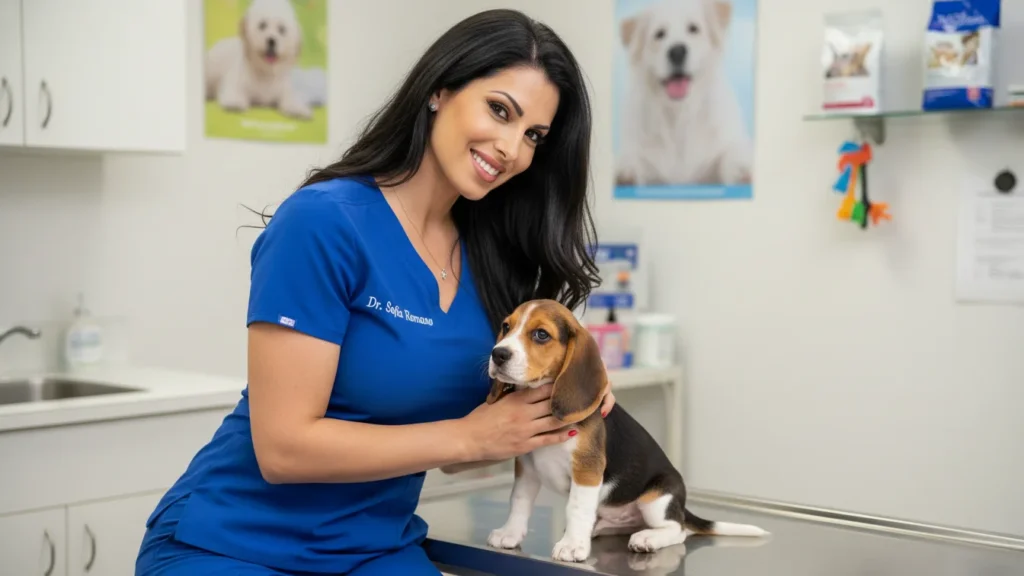
Dr. Sofia Romano, DVM, is an experienced veterinarian specializing in small-animal medicine and preventive care. She has treated thousands of cases using evidence-based diagnostics and modern clinical practices. Dr. Romano is dedicated to providing science-backed pet-health guidance that helps owners make informed decisions and improve their pets’ quality of life.