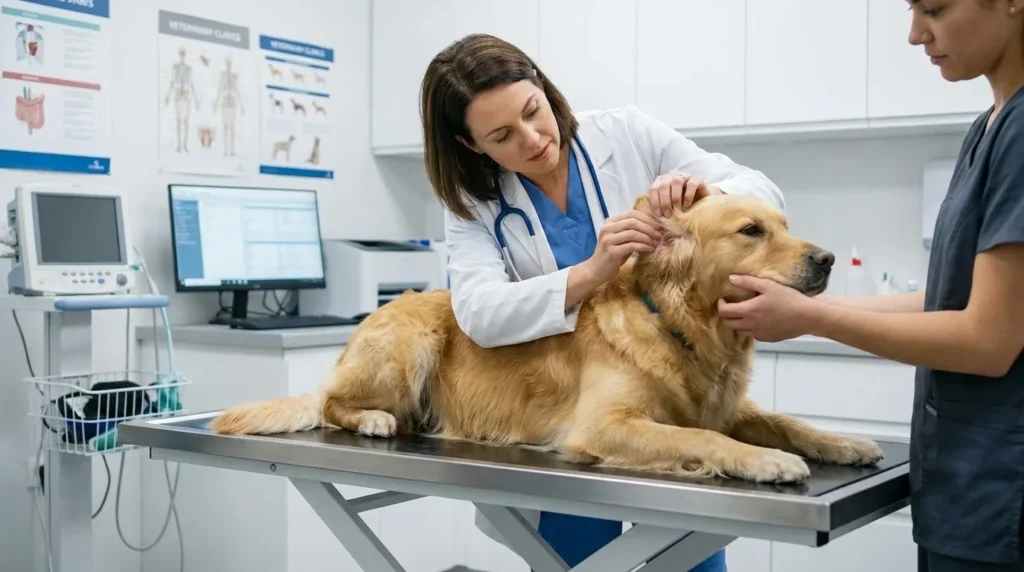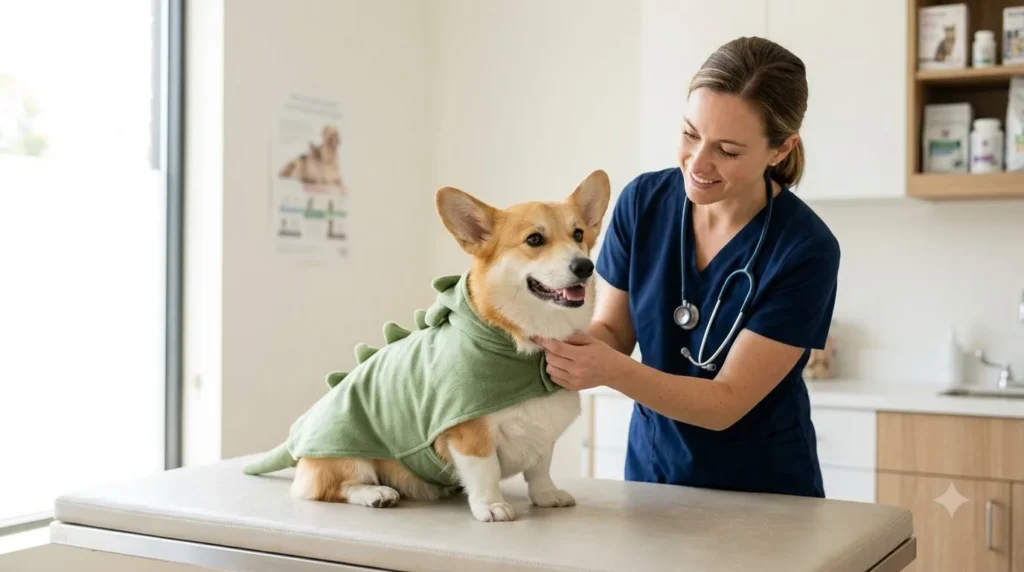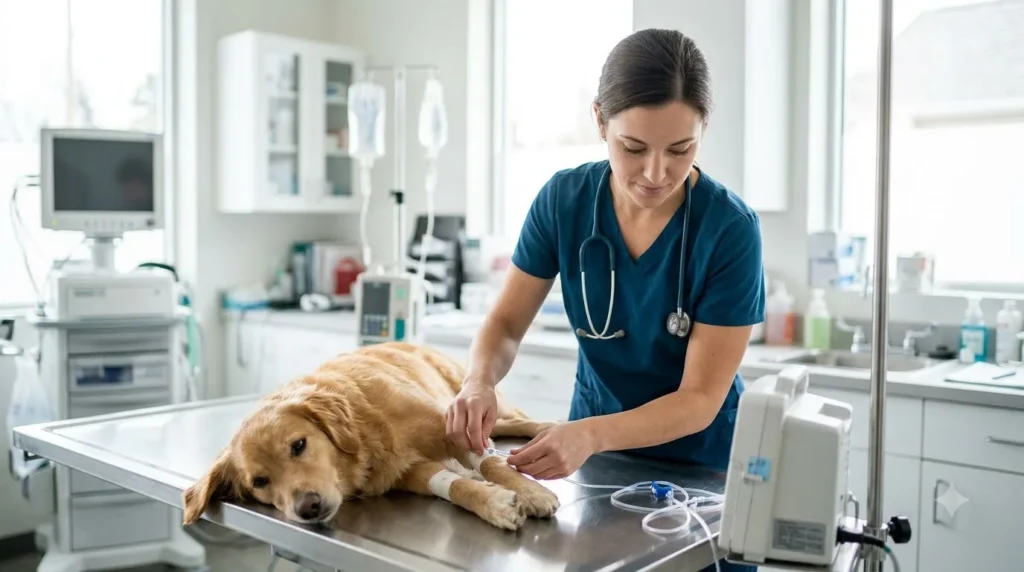
When a dog needs a blood sample, a cat requires anesthesia for dental treatment, or a frightened puppy arrives at the clinic, the veterinarian is rarely working alone. Behind many routine appointments and complicated procedures is a veterinary technician helping make the care possible.
Yet from the waiting room, much of that work can be easy to miss. An owner might see a technician hold a dog during an examination or help keep a cat still for an injection and assume that restraint is the main responsibility.
In reality, veterinary technicians are trained clinical professionals who may collect diagnostic samples, perform laboratory procedures, assist with surgery, monitor anesthesia, care for hospitalized patients, and help owners understand their pets’ treatment and recovery. Their responsibilities depend on their education, credentials, the veterinary team’s structure, and the rules governing their practice. The American Animal Hospital Association (AAHA) describes them as nursing professionals, diagnostic specialists, and advocates for animal patients—not simply assistants who hold pets still. (AAHA’s guide to veterinary technicians)
A veterinary technician’s role extends from the first observations of a patient’s condition to the careful monitoring that continues after a procedure. Much of this work happens outside the examination room, but it can directly affect patient safety, comfort, and the information available to the veterinarian.
Understanding that role offers a clearer picture of how modern veterinary care works—and why the person holding your pet may be doing much more than it appears.
1. They Help Turn Your Observations Into Useful Clinical Information
A veterinary appointment often begins with a conversation about what has changed at home.
Has your dog been drinking more water? Has your cat stopped using the litter box normally? Is an older pet reluctant to climb stairs? Has a puppy vomited after eating something unusual?
Veterinary technicians may gather this history, ask follow-up questions, obtain relevant measurements, and communicate their observations to the veterinarian. The information can help the clinical team understand the problem and decide which examinations or diagnostic tests may be appropriate.
They may also measure weight, temperature, pulse, respiration, and other clinical parameters within their training and authorized scope of practice.
These observations matter because pets cannot explain their symptoms verbally. The veterinary team depends on information from owners, physical findings, laboratory results, and changes in the animal’s condition.
A technician who notices that a dog is unusually reluctant to stand, that a cat’s breathing appears abnormal, or that an animal’s behaviour has changed may identify something that deserves further assessment.
That does not mean the technician independently diagnoses the condition. In the United States, diagnosis and prescribing are veterinary responsibilities, while technicians contribute clinical observations and diagnostic information under the applicable rules and supervision arrangements. (American Veterinary Medical Association, Veterinary Technology)
2. Blood Tests, Urine Samples and Laboratory Work Often Depend on Them
When a veterinarian recommends bloodwork or a urine test, the sample has to be collected, handled, and processed correctly before the result can be interpreted.
Veterinary technicians may collect blood, urine, feces, ear swabs, and other diagnostic samples. Depending on their training and the practice’s procedures, they may also perform laboratory testing, prepare slides, operate diagnostic equipment, and identify technical problems that could affect a result.
For example, a blood sample that is collected or handled improperly may be unsuitable for a particular test. A poorly prepared sample or an equipment problem may also affect the reliability of the information produced.
Technical accuracy matters because the veterinarian’s interpretation depends partly on the quality of the underlying evidence.
Technicians may also take radiographs and assist with other forms of diagnostic imaging where their training and the applicable regulations permit it. These procedures can help the veterinary team investigate concerns that cannot be resolved through a physical examination alone.
AAHA lists sample collection, laboratory procedures, and radiography among the responsibilities veterinary technicians may perform. (AAHA)
Their contribution is not simply to complete a list of tasks. It is to help produce reliable information that supports clinical decisions.
3. Anesthesia Monitoring Is a Major Responsibility
Anesthesia is one of the clearest examples of why veterinary technicians do far more than restrain animals.
During a dental procedure, surgery, or certain diagnostic examinations, an animal may need general anesthesia. While the veterinarian performs the procedure, a trained member of the anesthesia team monitors the patient and helps the team respond to changes.
Depending on the procedure, training, and responsibilities delegated within the practice, this can involve monitoring:
- Heart rate and rhythm.
- Respiratory rate and breathing quality.
- Oxygenation and carbon dioxide measurements.
- Blood pressure and body temperature.
- Anesthetic depth and the patient’s response to stimulation.
- Recovery from anesthesia and signs of discomfort.
Not every patient requires identical monitoring, and equipment and protocols vary by procedure and individual risk. The important principle is that anesthesia is an ongoing process requiring trained observation, appropriate equipment, and timely responses to changes.
The AAHA Anesthesia and Monitoring Guidelines for Dogs and Cats describe anesthesia as a continuum of care extending from preparation before the procedure through induction, maintenance, recovery, and the animal’s return home. They emphasize trained staff, physiologic monitoring, and clear communication with owners. (AAHA Anesthesia and Monitoring Guidelines)
Anesthesia monitoring is not a passive job. It requires knowledge of normal physiology, the effects of anesthetic drugs, monitoring equipment, and signs that a patient may need intervention.
A technician’s attention during these moments helps the team identify potential complications and respond appropriately.
4. Surgical Care Starts Before the First Incision
Owners often think about surgery in terms of what happens on the operating table. But much of the work needed to prepare an animal for surgery takes place beforehand.
Veterinary technicians may help prepare patients, organize and check equipment, prepare instruments, establish intravenous access where authorized, and assist with the steps required before anesthesia and surgery.
During a procedure, their responsibilities may include surgical nursing, maintaining appropriate sterile practices, assisting the veterinary team, and monitoring the anesthetized patient.
Afterward, they may monitor recovery, assess comfort, observe for complications, and communicate relevant changes to the veterinarian.
The exact tasks depend on the procedure, the technician’s qualifications, supervision, and local practice regulations. Veterinary technicians do not replace the veterinarian responsible for the operation.
What often goes unseen is the continuity between preparation, the procedure itself, and recovery. Each stage depends on coordination and careful attention to detail.
AAHA’s anesthesia guidelines emphasize that effective perioperative care involves the entire veterinary team rather than the surgeon alone. (AAHA)
5. Hospitalized Animals Need Nursing Care Throughout the Day and Night
A pet that remains in hospital after an emergency, operation, or serious illness needs more than occasional examinations.
Hospitalized animals may require repeated observations, medication administration under the appropriate authorization, fluid therapy, feeding assistance, wound care, hygiene, and help maintaining a comfortable resting position.
Veterinary technicians may carry out many of these nursing duties within their permitted scope of practice.
For example, a dog recovering from surgery may need close observation as it wakes from anesthesia. A cat receiving treatment for a serious illness may need its appetite, hydration, behaviour, and other clinical parameters monitored over time.
The value of repeated observation is that a patient’s condition can change between examinations. A new symptom, a different breathing pattern, or a change in responsiveness may be important enough to report promptly.
Hospital nursing also involves practical details that affect welfare: keeping bedding clean, ensuring an animal is positioned comfortably, reducing unnecessary stress, and helping maintain appropriate hygiene.
These tasks may look ordinary, but they are part of delivering consistent, safe clinical care.
6. They May Be the First to Notice When a Pet Is in Pain
Animals often communicate discomfort through small changes rather than obvious cries or dramatic reactions.
A dog may become reluctant to shift position. A cat may withdraw from interaction. A hospitalized animal might stop showing interest in food or become more restless than it was earlier.
Veterinary technicians spend time observing patients during examinations, procedures, recovery, and hospitalization. Their familiarity with a patient’s recent behaviour can help them identify changes worth bringing to the veterinarian’s attention.
They may use structured pain-assessment tools, observe movement and posture, assess responses to handling, and help monitor the effect of an authorized treatment plan.
Pain assessment is a shared responsibility across the veterinary team, and an individual observation does not establish a diagnosis. But recognising and communicating changes promptly can help the team reassess a patient’s needs.
AAHA’s pain-management guidance highlights the importance of coordinated monitoring, communication, and follow-up. Veterinary technicians may also help coordinate reassessments and communicate with owners about how well a pet is coping at home. (AAHA Pain Management Guidelines)
This is one reason a technician’s attention matters even when a veterinarian has already examined the animal. Clinical care continues between examinations, and the patient’s comfort can change during that time.
7. Holding a Pet Safely Is a Skill, Not Just a Physical Task
The phrase “holding the pet still” makes restraint sound simple. In practice, safe animal handling requires judgment, training, and an understanding of how fear, pain, and stress influence behaviour.
A frightened cat may struggle when approached directly. A dog with abdominal pain may react when its body is touched. An animal that is already distressed may become more difficult to handle if the interaction escalates.
The goal is not merely to prevent movement. It is to create the safest practical conditions for the examination or procedure while minimizing unnecessary fear and discomfort.
Depending on the animal and situation, that may involve supporting the body appropriately, adapting the handling approach, using suitable barriers or equipment, or communicating with the veterinarian when an alternative plan is needed.
Restraint must also protect the people providing care. A sudden movement or defensive bite can injure a staff member as well as the animal.
Not every pet can be handled in the same way. The right approach depends on the procedure, the patient’s medical condition, its behaviour, and the available trained staff.
The AVMA’s veterinary technology guidance identifies animal handling and nursing as part of the knowledge and practical training required of veterinary technicians. (AVMA)
Good restraint is therefore not about winning a struggle. It is about using appropriate handling methods to make necessary veterinary care safer.
8. They Help Owners Understand What Happens After the Appointment
A successful veterinary visit does not end when an animal leaves the examination room.
Owners may need to understand how to give prescribed medication, care for a surgical wound, monitor appetite and activity, recognize warning signs, or prepare for a follow-up appointment.
Veterinary technicians may help explain instructions, demonstrate suitable home-care techniques, answer questions within their role, and reinforce the veterinarian’s recommendations.
For example, after dental treatment, an owner may need guidance on feeding, oral hygiene, or recognizing signs that require follow-up. After a procedure, a technician may explain the recovery instructions and clarify when the owner should contact the clinic.
Clear communication matters because even a well-designed treatment plan can become difficult to follow if the instructions are confusing.
Technicians should not replace the veterinarian when a question requires diagnosis, a treatment decision, or a change in prescribed medication. Instead, they help ensure that the owner understands the agreed plan and know when to seek further veterinary advice.
AAHA’s guidance on veterinary team roles identifies client education and patient advocacy as important functions of veterinary technicians and assistants. (AAHA dental-care guidelines: Roles of technicians and assistants)
Are All Veterinary Technicians Qualified to Do the Same Things?
No. The title, training pathway, professional credential, and permitted responsibilities can differ by country and jurisdiction.
In the United States, credentialed veterinary technicians may hold titles such as CVT, LVT, or RVT, depending on the applicable licensing system. Veterinary assistants may also work in clinics, but their educational pathways and authorized responsibilities can differ from those of credentialed technicians.
The scope of practice also varies across states. Some tasks require specific qualifications or levels of supervision, and certain responsibilities remain exclusively with a veterinarian.
In the United Kingdom, the term veterinary nurse is commonly used for a separately regulated profession. Other countries have their own terminology and requirements.
It is therefore misleading to assume that every person called a veterinary technician, nurse, or assistant can legally perform the same procedures. The American Association of Veterinary State Boards’ scope-of-practice resources and the AVMA’s veterinary technology information explain why credentialing, training, and applicable regulations matter.
The broader point remains the same: veterinary technicians provide trained clinical support, but their responsibilities must match their qualifications and the rules governing the practice.
The Work Is Technical, Physical and Emotionally Demanding
Caring for sick and injured animals can involve long shifts, physically demanding tasks, anxious owners, urgent cases, and difficult outcomes.
Veterinary technicians may spend part of a day monitoring a recovering patient and later help care for an animal in serious distress. They may also support owners through emotionally difficult conversations and end-of-life care, as part of the wider veterinary team.
AAHA notes that the profession can involve injury risks, compassion fatigue, and burnout. These pressures are one reason appropriate training, supportive teams, and effective use of technicians’ skills matter. (AAHA)
Recognizing their contribution does not require assuming that every technician performs every procedure or that every clinic has the same staffing model. It means understanding that clinical care depends on many people performing their roles competently and communicating well.
How Pet Owners Can Work With Their Veterinary Technician
A few simple habits can make appointments and treatment more productive.
Share what you have observed at home, including changes in appetite, drinking, movement, breathing, or behaviour. If your pet is taking medication, bring an accurate list of the products and doses as prescribed.
Listen to handling instructions, particularly when a pet is frightened, painful, or recovering from a procedure. These directions are intended to protect both the animal and the people caring for it.
Ask questions when something is unclear. A technician may be able to explain a procedure, describe how a sample is collected, or clarify home-care instructions. If your question concerns a diagnosis, prognosis, or treatment decision, ask for the veterinarian to address it.
And when a technician is helping your pet remain safe during an examination, recognize that restraint may be only one part of the job. That person may also be monitoring the patient’s condition, observing behaviour, preparing equipment, or reporting findings to the veterinarian.
The Bottom Line
Veterinary technicians are an essential part of the clinical team. Their work can include diagnostic testing, anesthesia monitoring, surgical nursing, inpatient care, pain assessment, patient handling, and owner education.
Much of this work happens quietly, often away from the owner’s view. Yet it contributes to the information the veterinarian uses, the safety of procedures, and the ongoing care animals receive.
The next time a technician helps your pet during an appointment, remember that the task you can see may be only one small part of their responsibility.
They are not simply holding your pet still. They are helping care for a patient who depends on the entire veterinary team.
Sources
1. American Animal Hospital Association (AAHA) — “What Is a Veterinary Technician?” Published March 5, 2020. Summarizes education, clinical responsibilities, patient care, diagnostics, anesthesia, surgery, client education, and common professional challenges. https://www.aaha.org/resources/what-is-a-veterinary-technician/
2. American Veterinary Medical Association (AVMA) — “Veterinary Technology.” Professional information covering technician education, duties, supervision, and limitations on veterinary practice activities in the United States. https://ebusiness.avma.org/files/productdownloads/mcm-clientbroch-veterinary-tech-2024.pdf
3. American Animal Hospital Association (AAHA) — “2023 AAHA Technician Utilization Guidelines.” Explains how trained, credentialed technicians can contribute more fully to patient care and how appropriate use of their skills supports veterinary teams. Published September 30, 2023. https://www.aaha.org/resources/2023-aaha-technician-utilization-guidelines/
4. American Animal Hospital Association (AAHA) — “2020 AAHA Anesthesia and Monitoring Guidelines for Dogs and Cats.” Covers the continuity of anesthesia care, patient monitoring, staff training, recovery, and client communication. Published February 12, 2020. https://www.aaha.org/resources/2020-aaha-anesthesia-and-monitoring-guidelines-for-dogs-and-cats/
5. American Animal Hospital Association (AAHA) — “2022 AAHA Pain Management Guidelines for Dogs and Cats.” Discusses collaborative pain assessment, monitoring, communication, and follow-up during treatment. https://www.aaha.org/resources/2022-aaha-pain-management-guidelines-for-dogs-and-cats/
6. American Animal Hospital Association (AAHA) — “The Role of Technicians and Assistants.” Explains patient advocacy, client education, discharge communication, and the importance of matching duties to staff training and applicable practice regulations. https://www.aaha.org/resources/2019-aaha-dental-care-guidelines-for-dogs-and-cats/roles-of-technicians-and-assistants/
7. American Association of Veterinary State Boards (AAVSB). Regulatory resources on veterinary professional licensing and scope of practice. https://www.aavsb.org/

Dr. Sofia Romano, DVM, is an experienced veterinarian specializing in small-animal medicine and preventive care. She has treated thousands of cases using evidence-based diagnostics and modern clinical practices. Dr. Romano is dedicated to providing science-backed pet-health guidance that helps owners make informed decisions and improve their pets’ quality of life.